
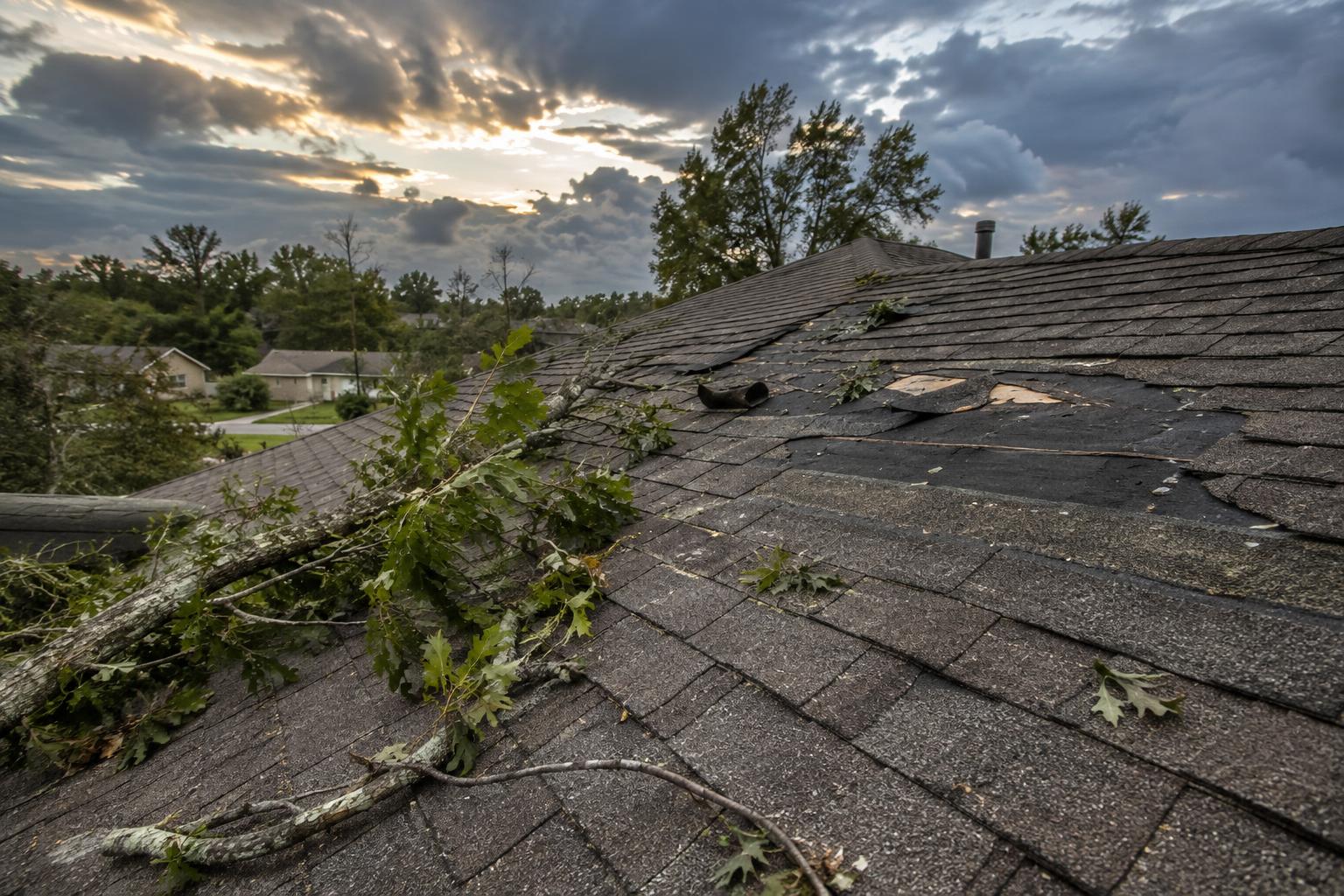
We Assess Before We Sell
If a repair solves it, we tell you to repair it. A tear-off you didn't need is the most expensive thing a roofer can sell you.
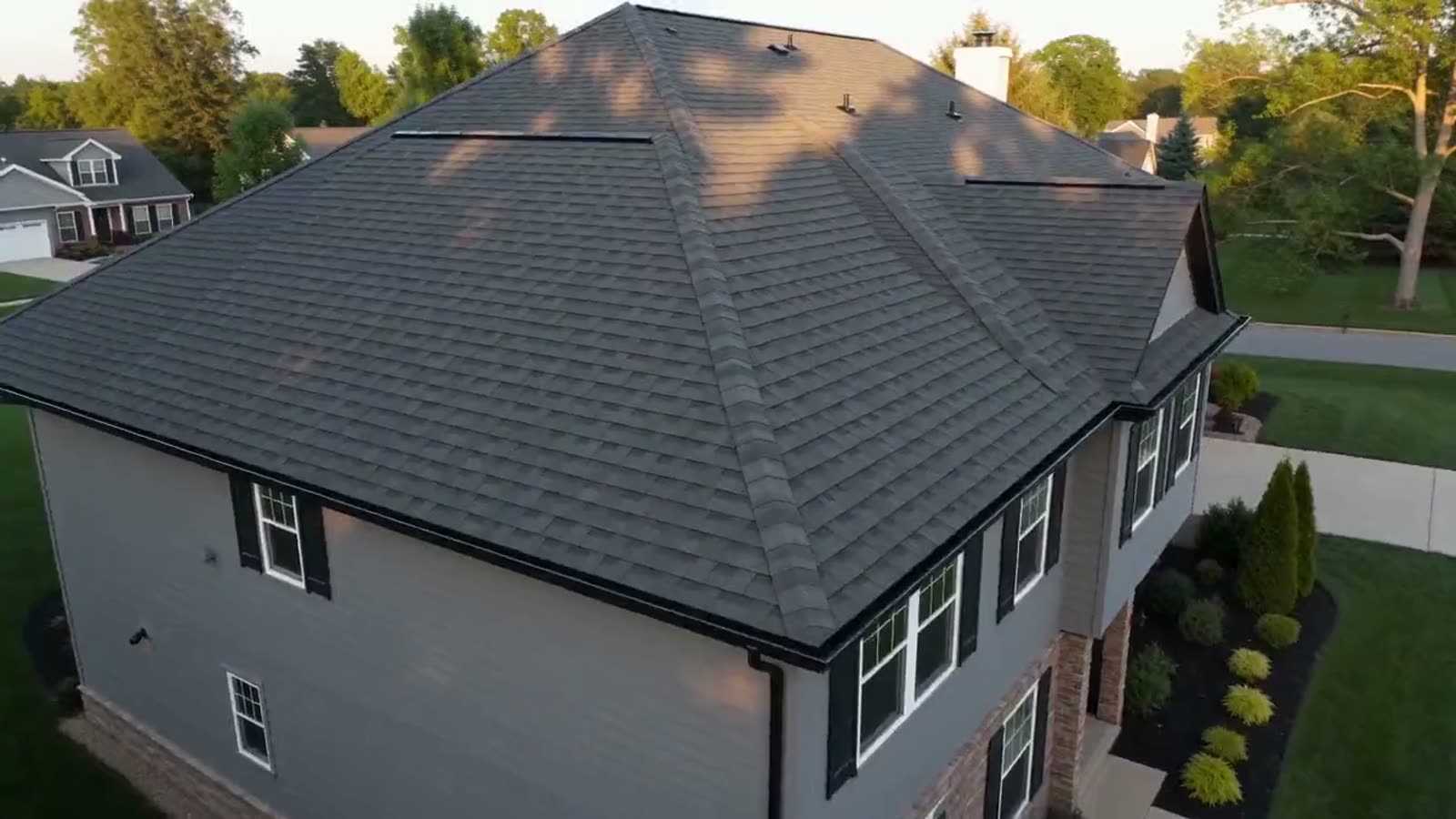
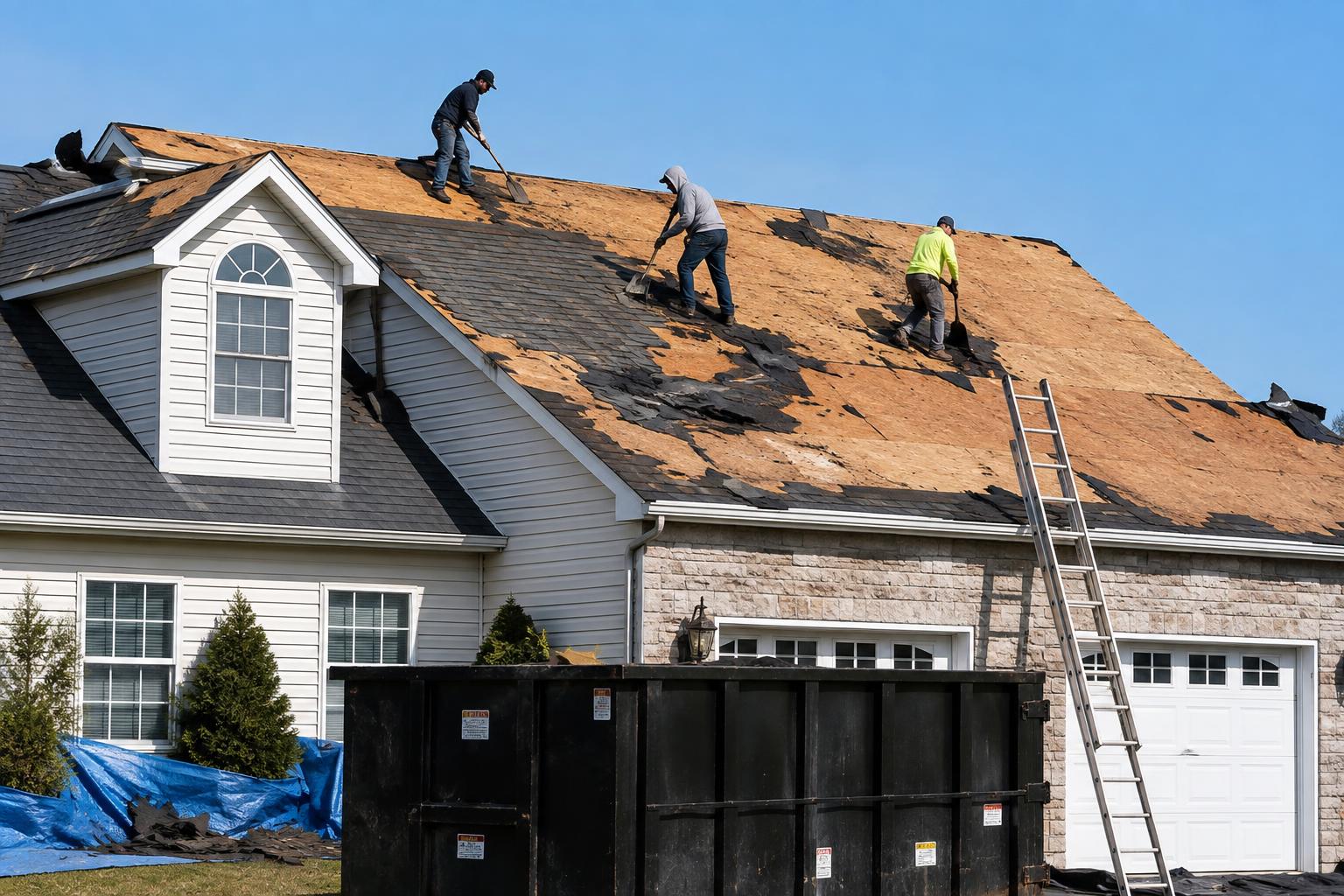
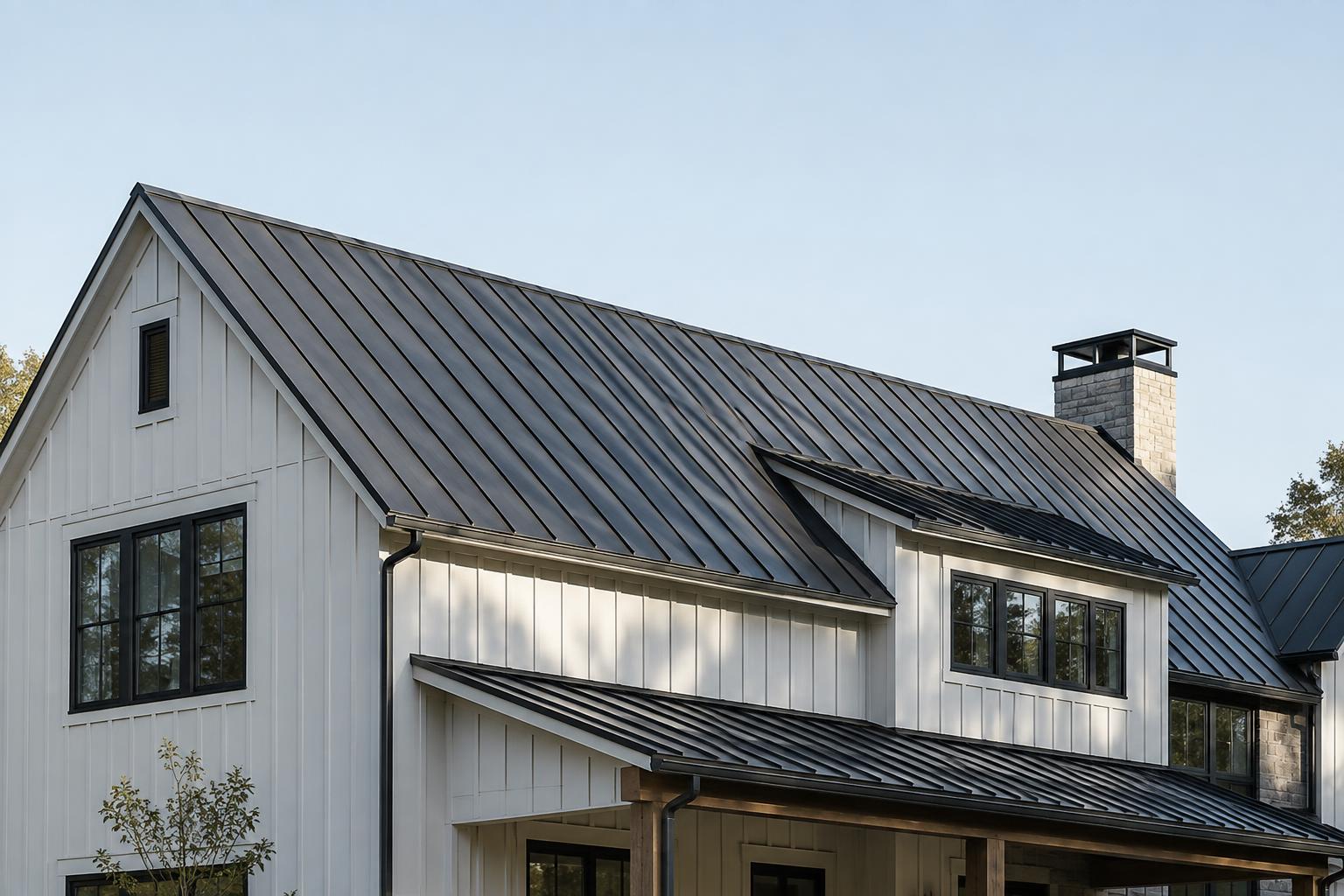
Roof replacement and roof repair for homes and commercial buildings in Sewickley and the surrounding Allegheny County communities. Asphalt shingle is most of what we do; slate, copper and standing seam metal when the house calls for it. Free inspections, a written scope, and a 10-year workmanship warranty.
Free inspection · Written scope · No pressure.
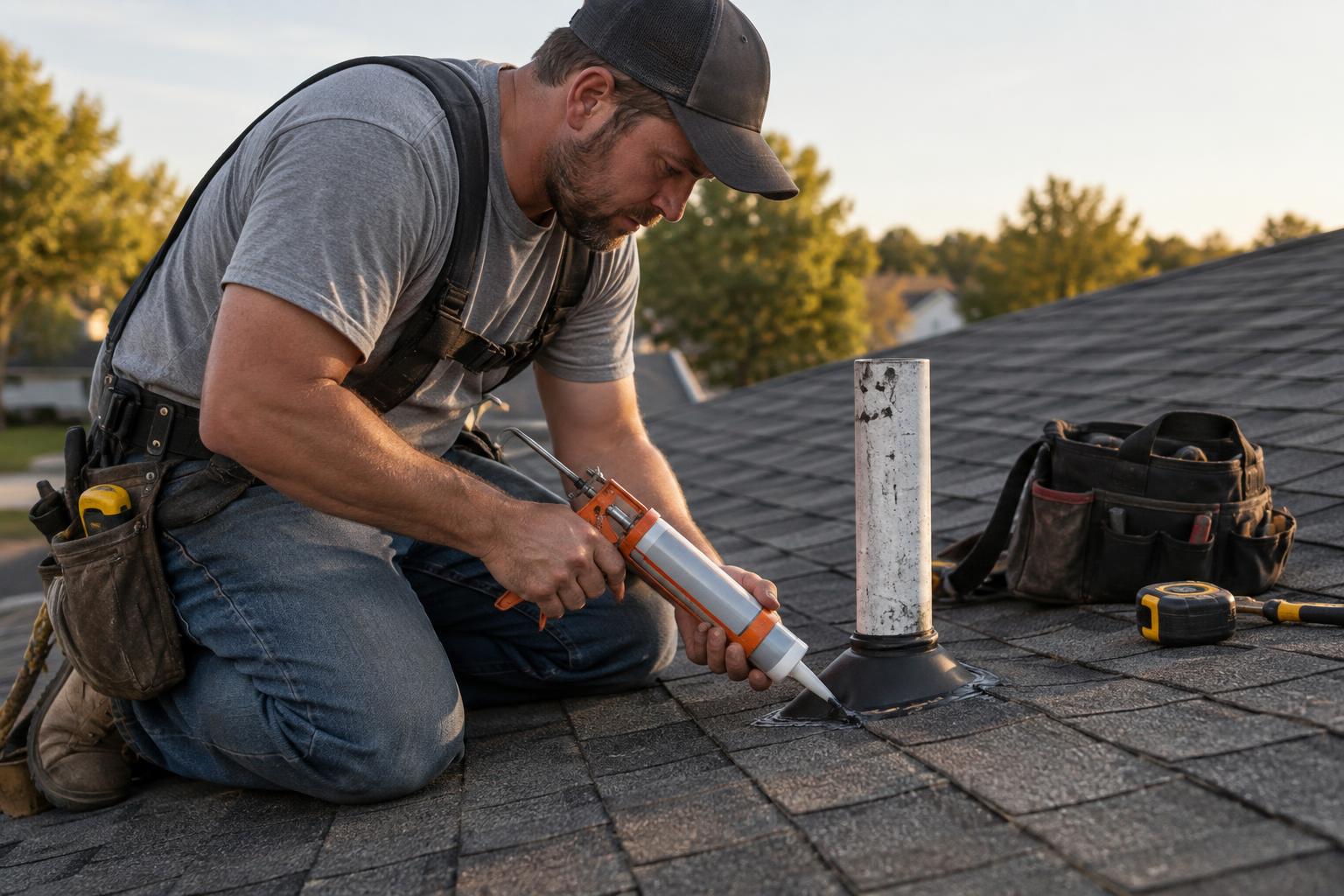
Two jobs make up most of our work: replacing roofs that are done, and repairing roofs that aren't. Everything else on this site supports those two.
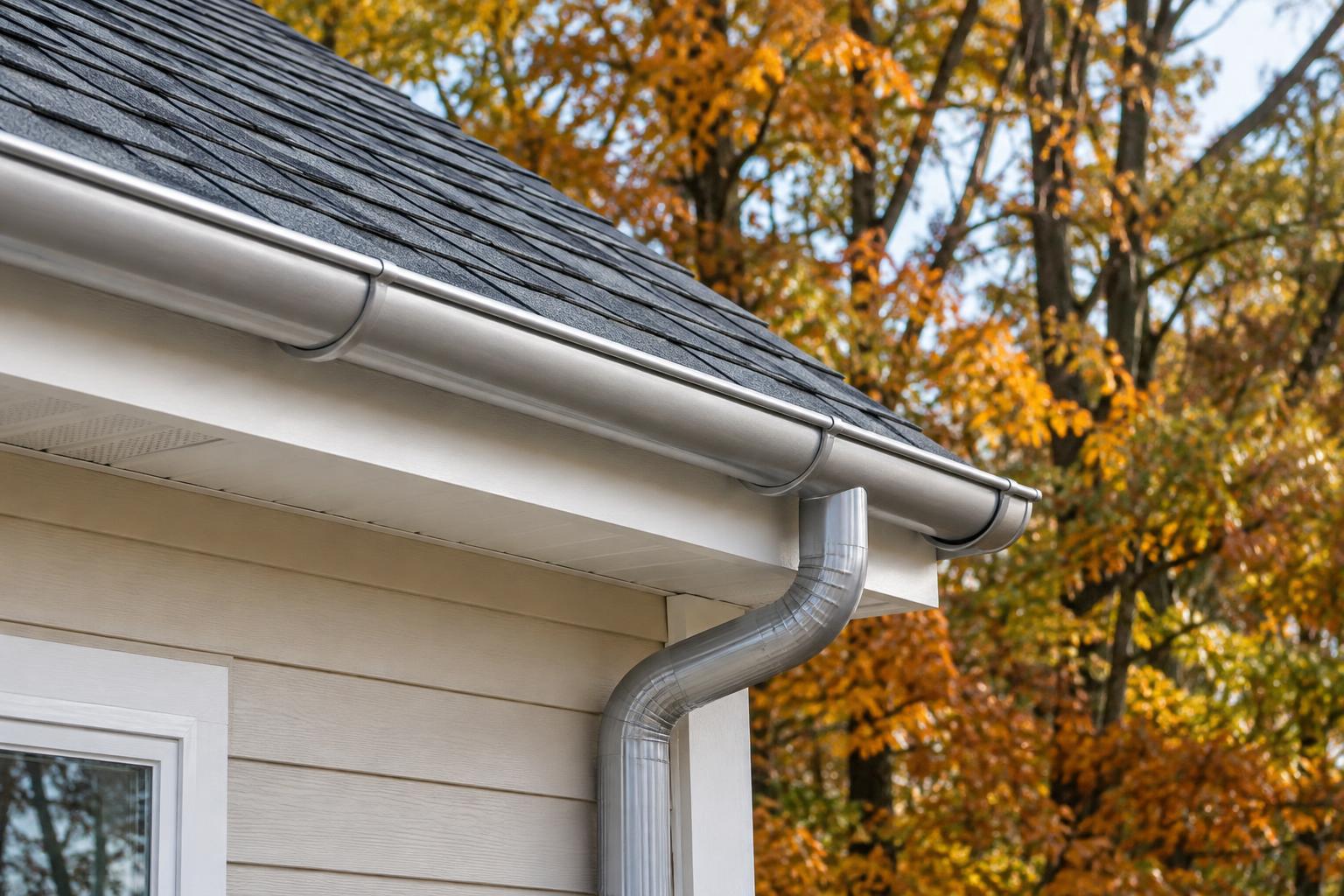
Inspections, storm claims, emergency work and gutters, plus slate, copper and historic roofing for the older homes in the valley.
No padded claims. Here is exactly what we put in writing on every Sewickley job.
If a repair solves it, we tell you to repair it. A tear-off you didn't need is the most expensive thing a roofer can sell you.
Photos of what we found, a line-item scope, and the materials named before anyone climbs a ladder. Compare it against any other bid.
Flashing detail, ventilation and fastening decided by the Ohio River Valley's freeze-thaw, shade and ridge wind — not by a generic spec sheet.
Our labor, in writing, for ten years. Manufacturer material warranties are separate, and we'll show you exactly what yours covers.
Big Dog Roofs holds PA Home Improvement Contractor Registration PA225283. Proof of insurance is provided on request before work begins. We don't publish review counts, manufacturer certifications or project photos we can't stand behind.
Tell us what you're seeing. We schedule the earliest available inspection.
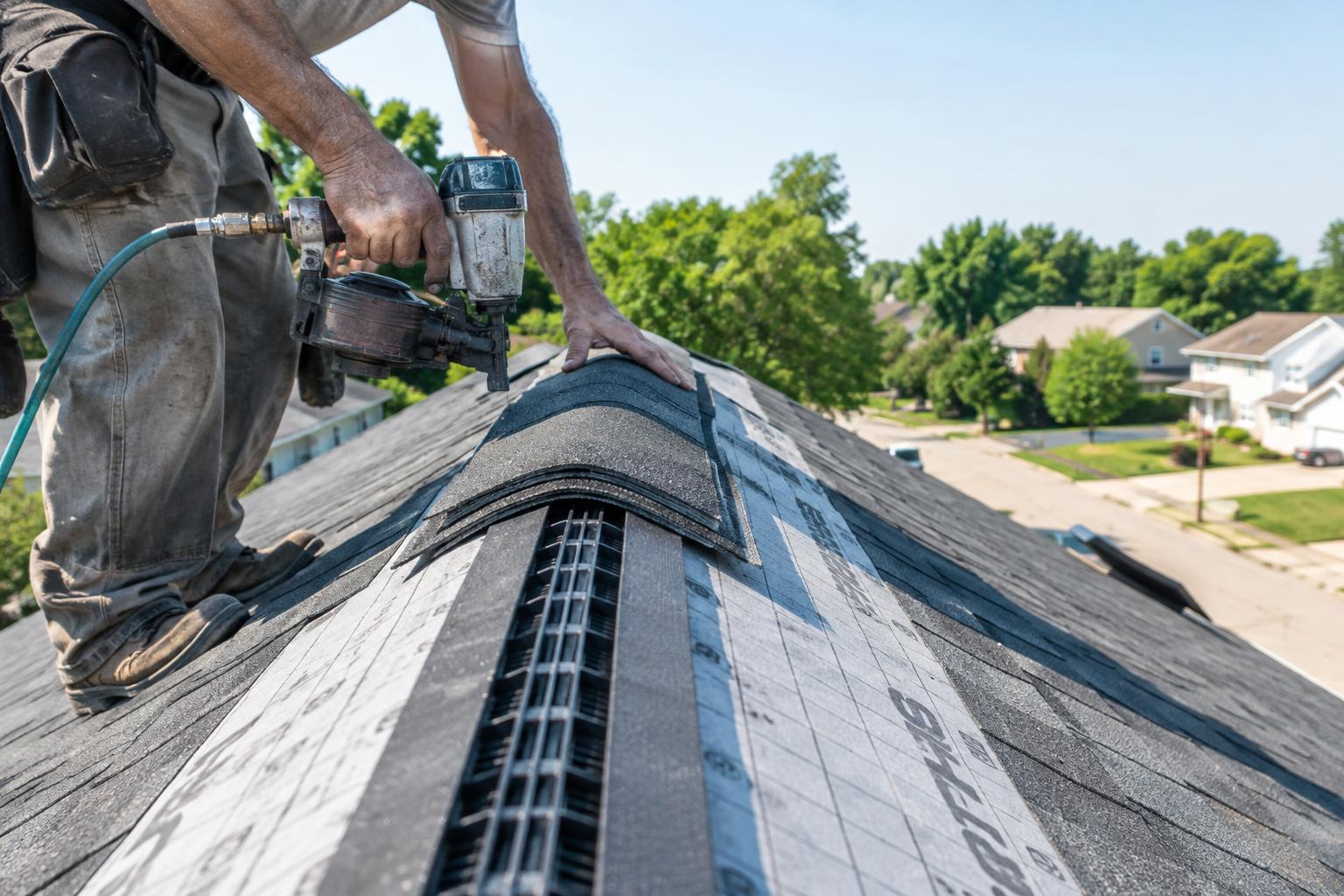
On the roof and in the attic, photographed, written up.
Scope agreed in writing before we start. No surprises.
10-year workmanship warranty and a clean site.
We don't publish ballpark prices because a Sewickley roof rarely fits one. Your quote is a specific number built from your actual roof, and these are the things that move it.
One honest note: the cheapest quote on an old Sewickley home is usually the one that skipped the decking allowance and the flashing rebuild. When you compare bids, compare what's written about the valleys, the chimney and the ventilation — that's where the difference in ten-year outcomes lives.
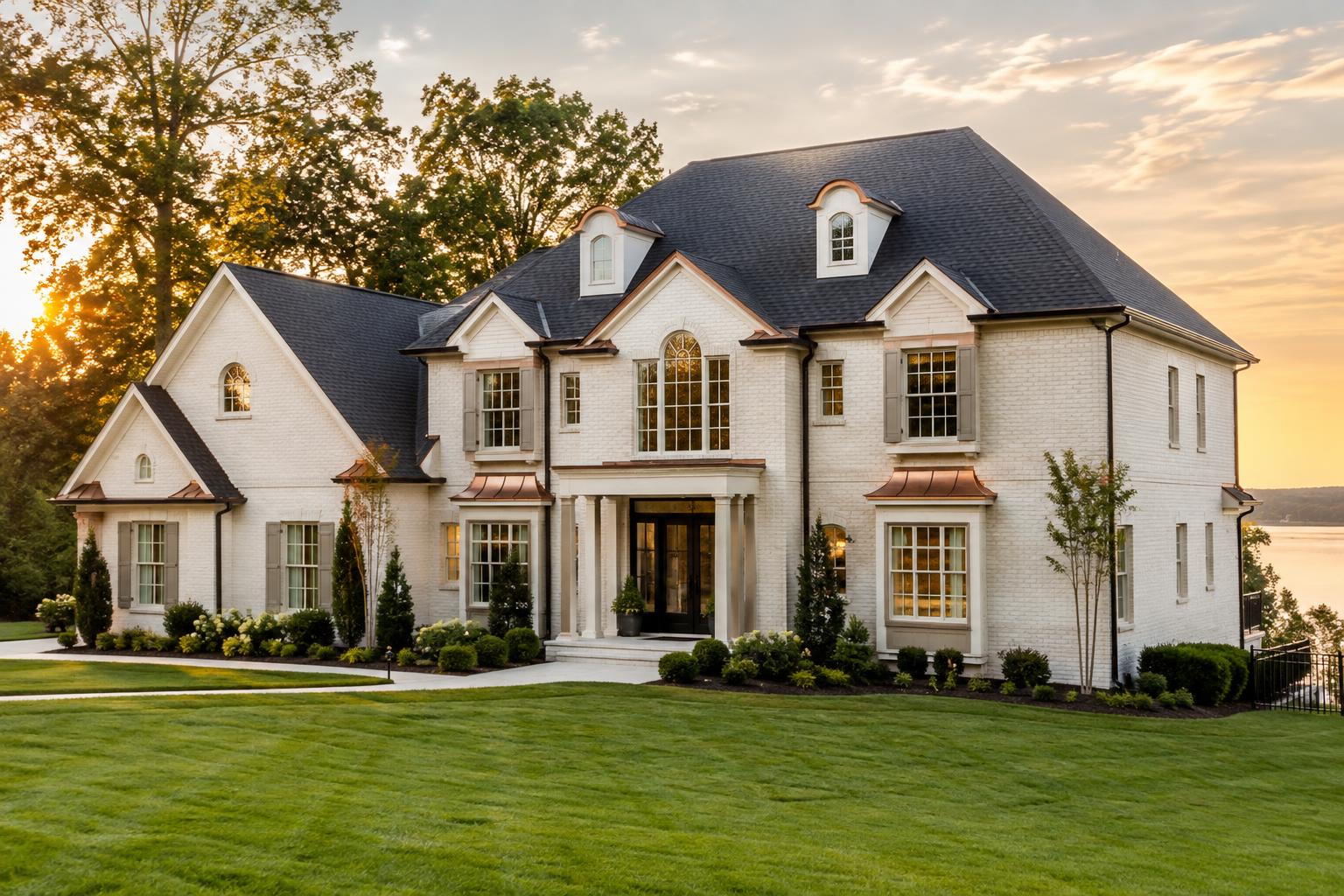
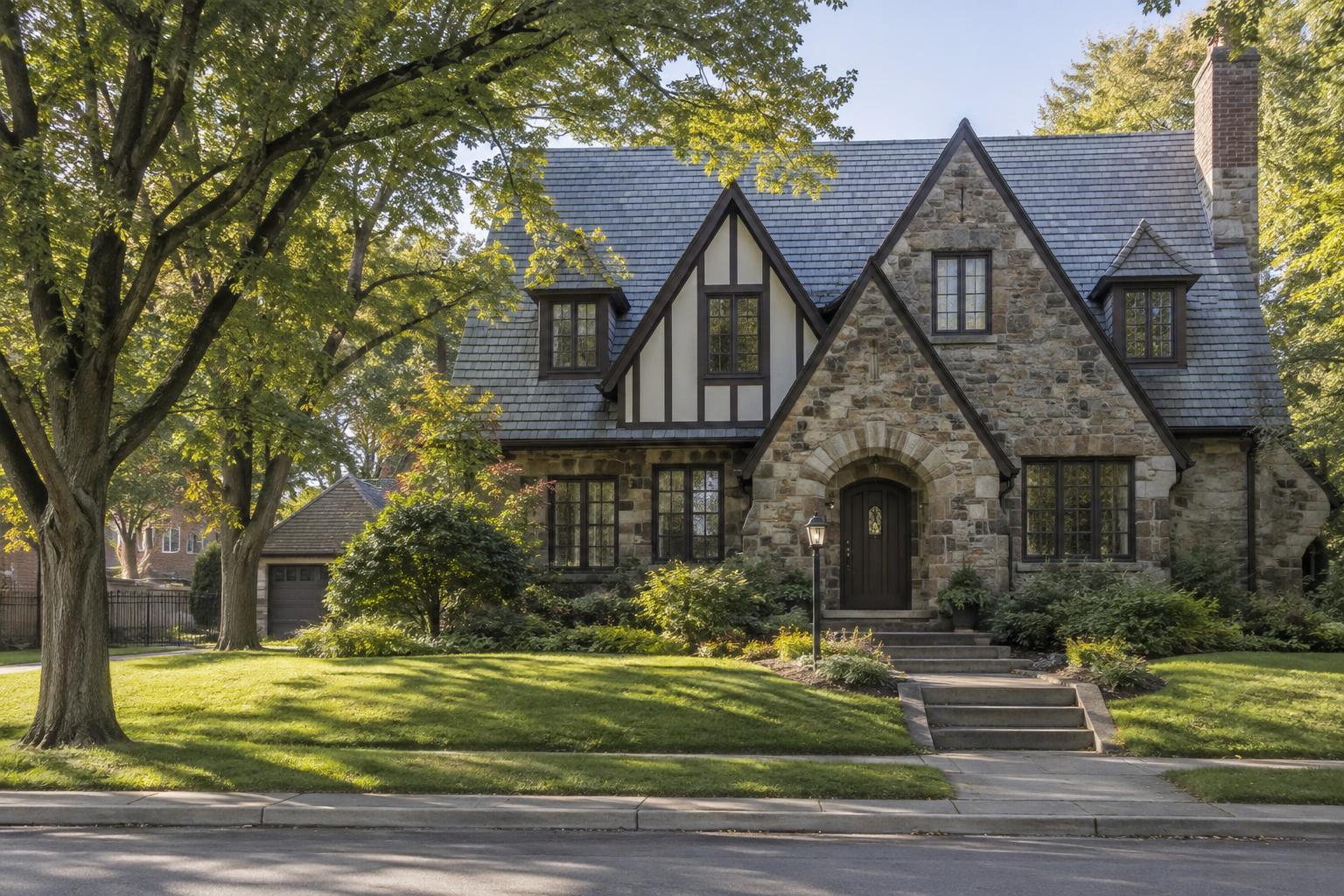
Sewickley is not a suburb with a few old houses in it. The Sewickley Historic District is listed on the National Register, and the housing stock reflects it: Victorian estates, Colonial Revivals, Tudors and Georgians, most of them built between 1870 and 1930, most of them still carrying the roof geometry their architects drew. Steep pitches. Multiple gables meeting in tight valleys. Dormers, turrets, bay windows with their own little roofs, and wraparound porches that are effectively a second low-slope roof system tied into the first.
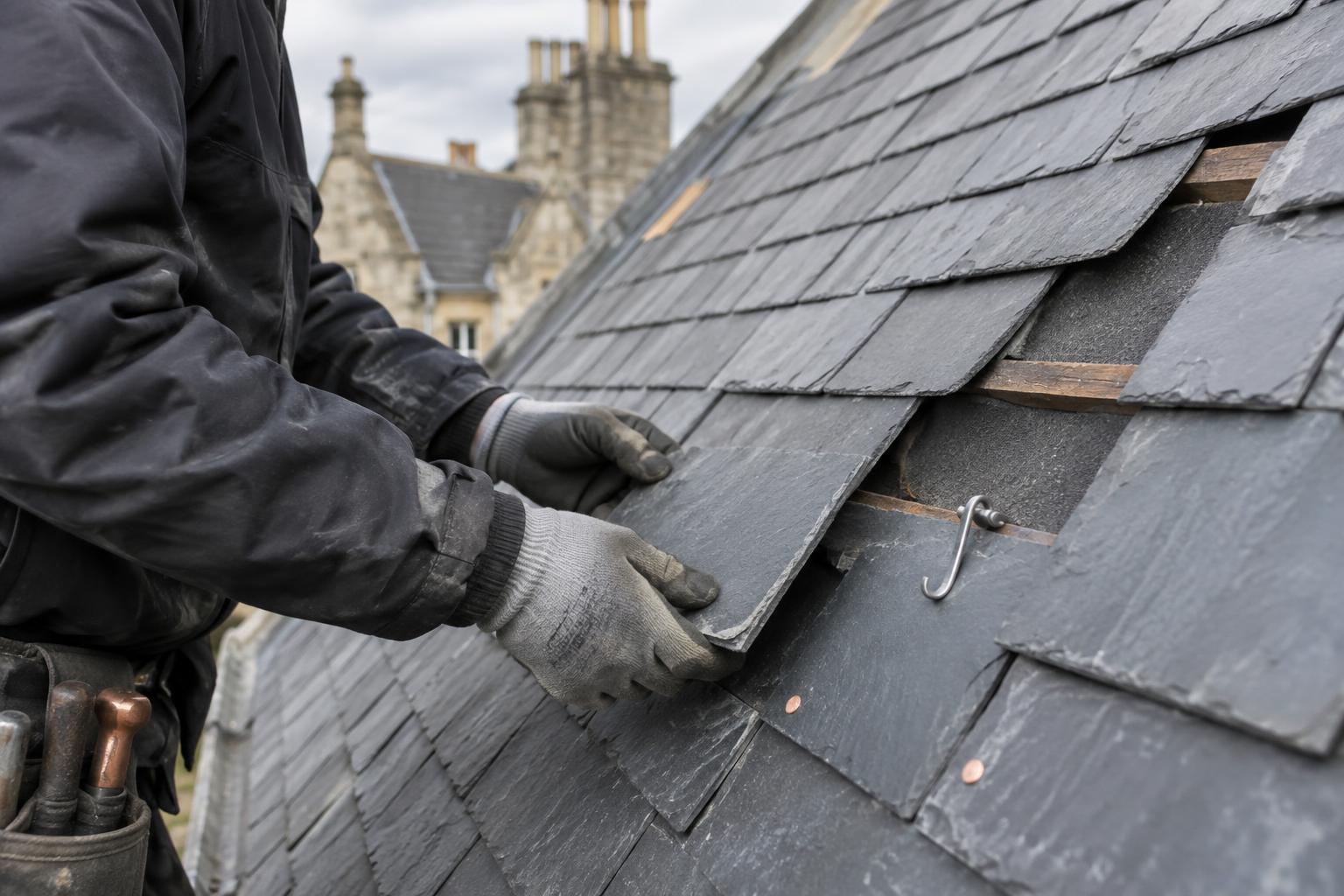
Underneath, the materials are just as specific. Natural slate on many of the borough and Edgeworth homes. Soldered copper in the valleys, at the chimneys, around the bays and often as the gutters themselves. Plank decking with gaps between the boards, not modern sheathing. A Sewickley roof is a system that was designed as a whole, and it has to be repaired as a whole — and the newer asphalt roofs in Ohio Township and Franklin Park have their own failure points, mostly in the valleys and at the ridge vent.
Straight talkA Sewickley roof is a system that was designed as a whole — and it has to be repaired as a whole.
Four conditions cause most roof failures in Sewickley, Edgeworth and up on the Heights. None of them are the shingle you picked.
The river valley holds moisture and swings across freezing far more often than the ridgetops do. Water works into slate seams, hairline flashing gaps and old mortar joints, freezes overnight and levers those gaps a little wider. Do that forty times a winter for a hundred years and you get the failure pattern common on older Sewickley roofs: the field is still sound, and the flashings and valleys are done.
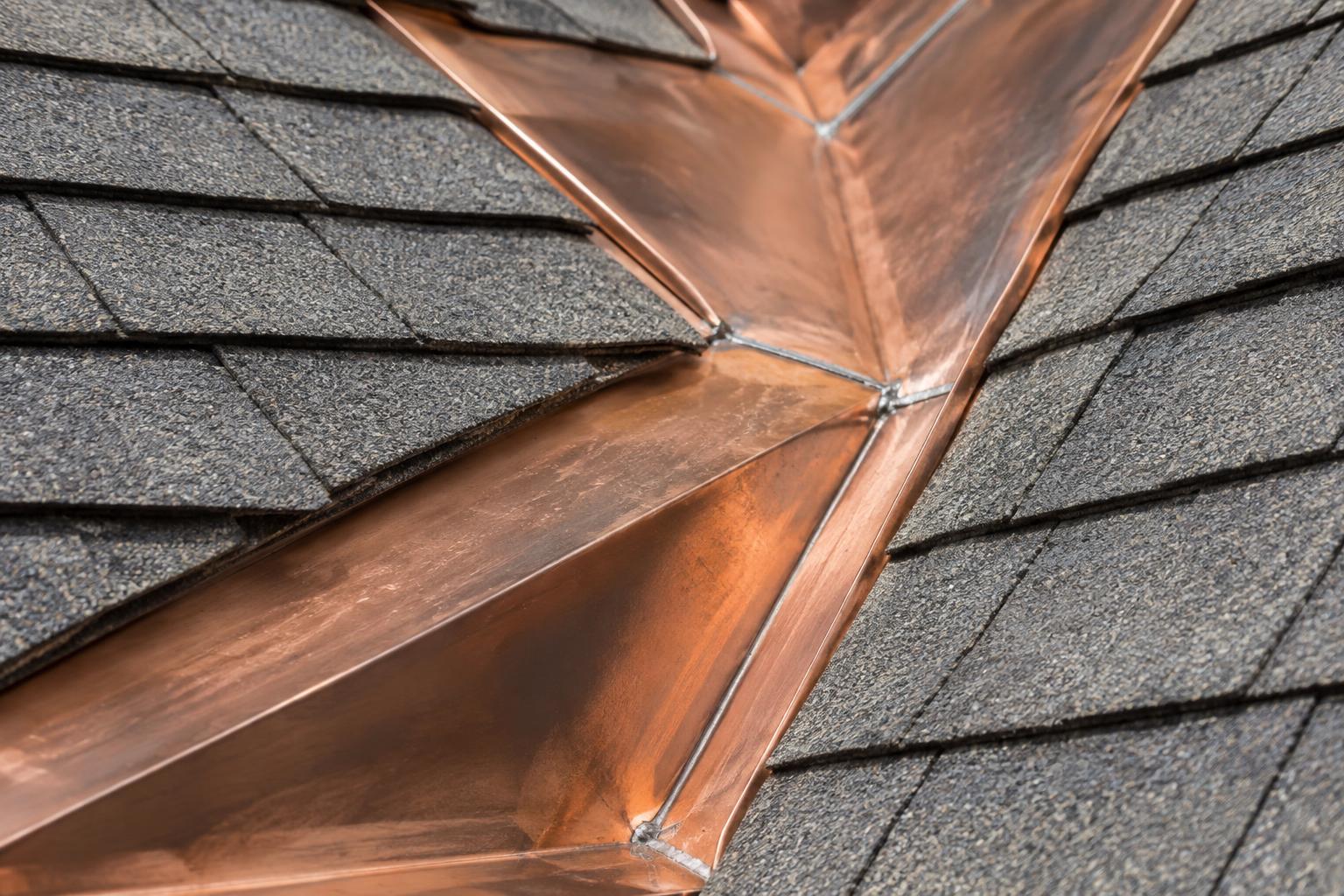
So we detail the water paths differently. Wider valley metal with a hemmed edge instead of a pinched W-valley. Soldered copper where two dissimilar planes meet, not caulk. Step flashing woven into each course at chimneys and walls instead of a single bent apron sealed at the top. Ice-and-water membrane carried well past code minimum at the eaves and valleys, and around every penetration. None of that shows in a photo, and all of it is the difference between a roof that lasts and a roof that leaks in year four.
The valley walls put a lot of Sewickley and Edgeworth homes in shade for most of a winter day. A north slope that never sees sun stays frozen at the eave while heat escaping the attic melts snow higher up. That meltwater runs down, hits the frozen edge, and backs up under the shingles.
Fixing that means fixing the attic, not just the roof. Historic homes here typically have minimal insulation, no baffles, blocked or nonexistent soffit intake, and bath fans dumping warm wet air straight into the attic. We air-seal the ceiling plane, restore intake and exhaust so the deck stays cold, and add membrane at the eaves as backup. If a contractor's answer to your ice dams is heat cable, they are treating a symptom and billing you every winter for it.
Sewickley and Edgeworth are shaded by mature hardwoods, and the roofs pay for it. Valleys and gutters pack with leaves and twigs, so water backs up sideways under shingle edges. Shaded slopes grow moss and algae. Limb strikes crack slate and bruise asphalt.
Moss is the one people underestimate: it holds water against slate and freeze-thaw then delaminates the stone in layers. We remove it by hand and with low-pressure treatment — never a pressure washer, which strips the surface and drives water under the courses. Then we set up a real maintenance rhythm: valleys and gutters cleared twice a year, guards where they actually help, and limbs trimmed back off the roof plane.
Sewickley Heights sits well above the valley floor, and the wind up there is a different problem than anything the borough homes deal with. Uplift concentrates at ridges, rakes and hips, and long unbroken slopes act like a wing.
That changes the fastening, not just the material. Increased nailing patterns, starter course at rakes as well as eaves, mechanically fastened ridge caps rather than the minimum, and hip-and-ridge products rated for the wind speed we actually get on that ridge. On slate and metal work up there we upgrade the fasteners and the clip spacing rather than following the sheltered-valley default.
Based in Sewickley, PA 15143 and serving the Sewickley Valley communities below, plus the wider Allegheny, Beaver and Butler County towns listed on our service areas page.
The borough itself is the densest concentration of pre-1930 housing in the valley — Victorians, Colonial Revivals and Four Squares packed onto narrow village lots off Beaver Street, most with steep pitches, dormers and original slate or slate-replacement roofs.
Estate properties on the ridge above the borough, with long private drives, sprawling multi-section rooflines, copper valleys and gutters, and real wind exposure that the sheltered village homes never see.
Larger wooded lots with mid-century and newer custom homes, where the recurring problem is heavy tree canopy dropping debris into valleys and holding moisture against shaded slopes.
Grand older homes on deep lots along Beaver Road, many with original slate, tile or standing seam metal and copper flashing that is now a century old and failing at the valleys before the field does.
A small borough of tightly spaced older houses with complicated porch roofs and additions, where flashing detail where a low porch meets a two-story wall matters more than the shingle you pick.
Historic riverside housing stock with tight side yards, which makes staging, tear-off and debris control the hard part of any replacement here — not the roofing itself.
Hillside lots with long roof runs, walk-out lower levels and plenty of mature hardwood cover, so gutter capacity and ice-dam control drive most of what we recommend.
A mix of older valley homes and newer development, often with multiple roof planes tied together by valleys — the exact spot where cheap flashing work shows up as a ceiling stain three winters later.
Compact older homes and light-industrial buildings near the river, where low-slope porch and addition roofs sit next to steep main roofs and need two different systems done well.
Rural-feeling hillside properties above Leetsdale with exposed slopes, longer runs of gutter and more wind on ridge caps than the borough sees.
One of the smallest boroughs in the county, with a handful of old riverfront homes where roof access is genuinely difficult and careful hand work beats production crews.
Narrow riverside lots hemmed in by the railroad and Ohio River Boulevard, so material staging is planned before we ever quote the roof.
Newer subdivisions with architectural asphalt roofs now hitting the 18–25 year mark, plus a steady run of ridge vent and valley repairs, plus skylights.
Larger 1990s and 2000s homes with complex hip rooflines and multiple dormers, where replacement cost is driven by cut-up geometry far more than square footage.
On the roof and in the attic, with photos and a written report. No obligation, no pressure, and an honest answer about whether you need work at all.