
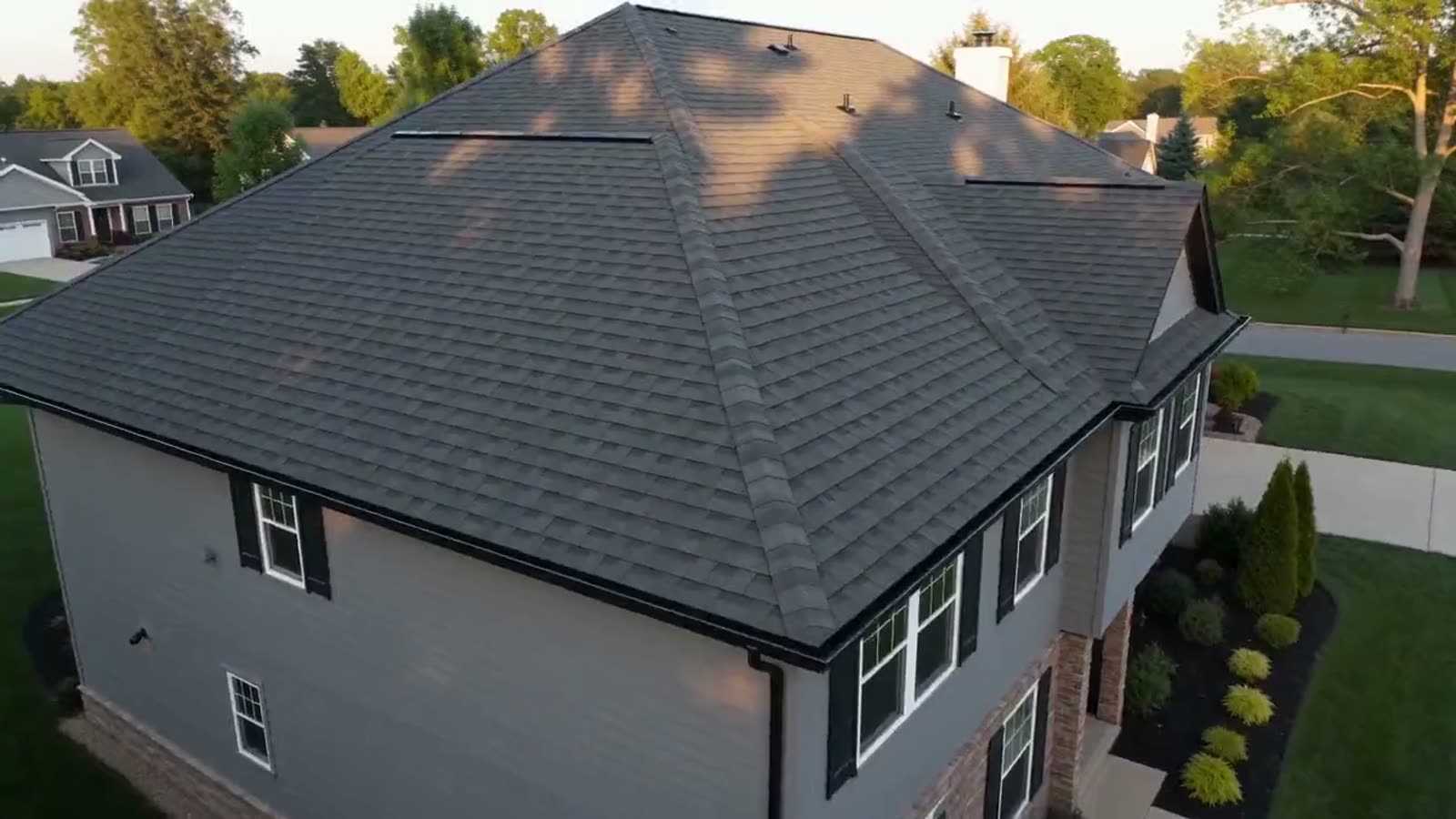
Gutters & Downspouts in Cranberry Township, PA
A gutter's job in most of the country is to keep water off the siding. In the Cranberry Township area it has a second job that matters just as much: keeping water away from 100-year-old foundations that were never built to handle modern rainfall intensity, and moving a genuinely large volume of leaf and twig debris off roofs shaded by mature hardwood canopy across Whispering Woods, Park Place and Fox Run.
Book Your
Roof Check
Free inspection · Written scope · No pressure.
Seneca Valley School District covers much of Cranberry's residential growth, and the repeated floor plans make construction shortcuts easy to recognize. We commonly find bath exhausts ending in the attic, narrow soffit vents blocked by insulation, exposed nails at ridge transitions and wall flashing that depends on sealant. Our inspection checks those hidden conditions instead of estimating from roof area alone. The proposal distinguishes normal replacement work from deck or ventilation corrections, and no additional wood is installed without photos and an agreed unit price.
That second job is where generic gutter installs fail here. A standard 5-inch K-style gutter sized off a national rule of thumb, without accounting for a steep multi-valley Cranberry Township roofline dumping concentrated runoff at two or three points, overflows in the first hard storm — and overflow at the foundation of a house with a fieldstone or old block foundation on Beaver Road or in Park Place is a basement problem waiting to happen.
Big Dog Roofs handles gutters & downspouts across every Cranberry Township neighborhood — Park Place, Whispering Woods, Fox Run, Ehrman Farms, Heritage Creek and the rest of 16066 and 16046 in Butler County. We also work nearby in Wexford, Franklin Park, McCandless, so our crews are in this part of the county every week rather than driving in for one job.
What's Included
- Seamless aluminum gutter installation, custom-formed on site
- Half-round gutter systems for historic homes
- Soldered copper gutters and downspouts
- Gutter sizing based on roof area and valley concentration
- Downspout placement and underground extensions
- Gutter guards matched to canopy debris load
- Hidden hanger and fascia bracket repair
- Gutter repitching to fix standing water and overflow
- Ice-and-water membrane coordination at eaves
- Spring and fall gutter cleaning
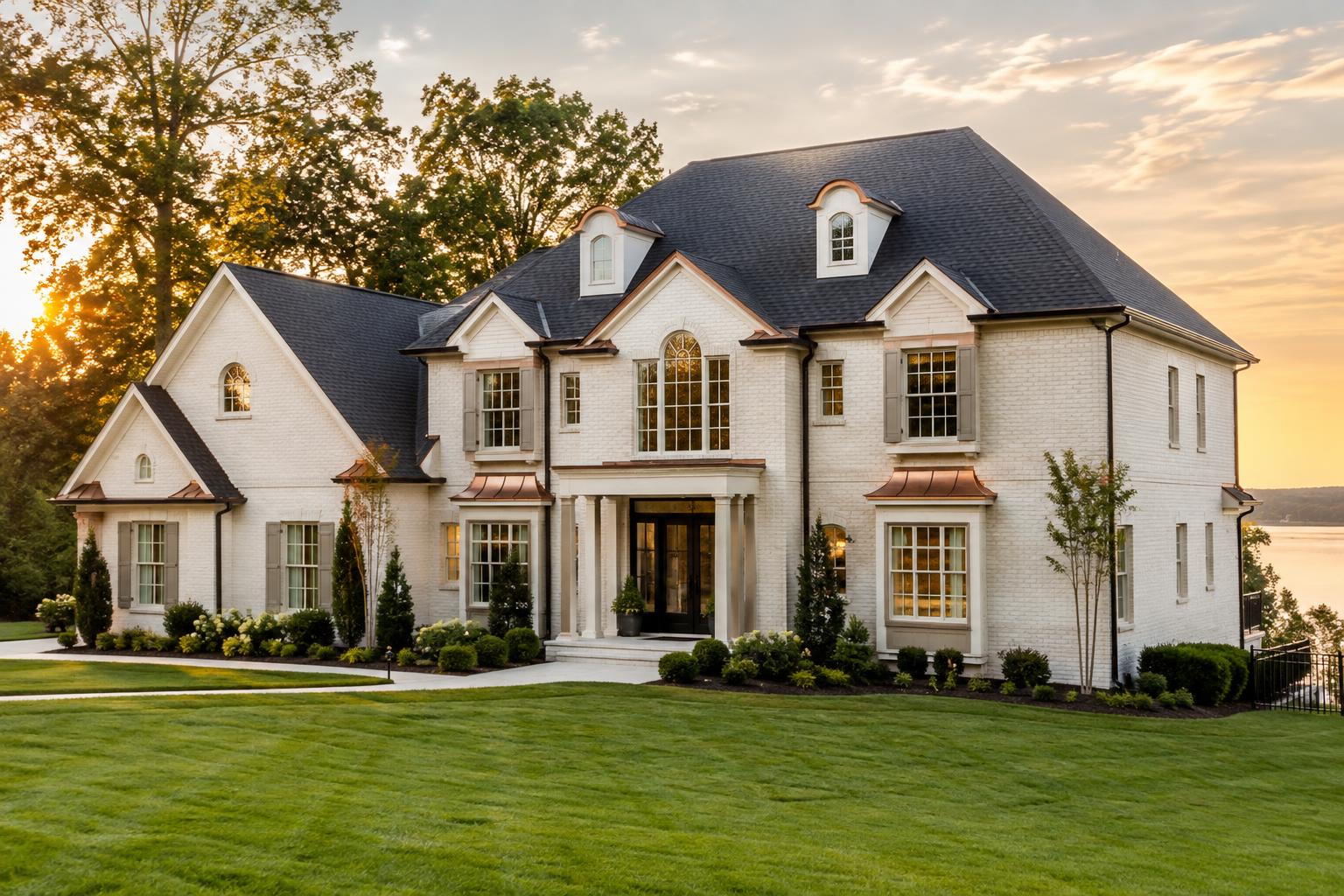
Why Standard Gutters Overflow on Cranberry Township Roofs
Most gutter overflow complaints we get called out for aren't a clogged gutter — they're an undersized one. A steep Victorian roofline in the older core of Cranberry Township with multiple valleys concentrates a huge volume of water into a short run of gutter at the low point of each valley. If that section is the same 5-inch K-style as the rest of the run, it overflows there first, every time, no matter how clean it is.
The fix is sizing the system to the actual roof, not the house's square footage. That means calculating roof area feeding each downspout, accounting for valley concentration points, and upsizing gutter profile or downspout count where the math calls for it — sometimes a 6-inch gutter on the high-load runs and standard 5-inch elsewhere, sometimes an extra downspout at a valley outlet rather than trying to move all that water sideways to one corner.
Pitch matters just as much as size. A gutter hung dead level looks fine and holds standing water that never drains, which is exactly what leads to ice buildup and hanger failure over a winter. We pitch every run for real drainage, generally around a quarter inch of drop per ten feet, and we check it with a level, not by eye.

Tree Canopy and Debris: The Recurring Cranberry Township Problem
Mature hardwood canopy is one of the best things about living in Whispering Woods, Park Place or Fox Run, and it's also the single biggest reason gutters here need more attention than gutters in a treeless subdivision. Leaves, seed pods and twigs pack into valleys and gutter runs, and once a gutter is packed, water goes over the front edge instead of down the downspout — right onto siding, windows and foundations.
Gutter guards help, but not universally, and we won't sell you a system that doesn't fit your canopy. Fine-mesh guards handle small debris like maple seed pods well but need more frequent surface brushing. Reverse-curve guards shed leaves better but can struggle with heavy pine needle load. On some heavily wooded Park Place lots, we recommend no guard at all and a twice-a-year cleaning schedule instead, because a guard that isn't matched to the debris just moves the clog from inside the gutter to on top of the guard.
Downspout placement gets the same scrutiny. On tight village lots off Park Place, a downspout can't just dump at the foundation corner because there's nowhere for that water to go — it needs an extension or a tied-in underground line routed away from the house and, ideally, away from a neighbor's property line too.
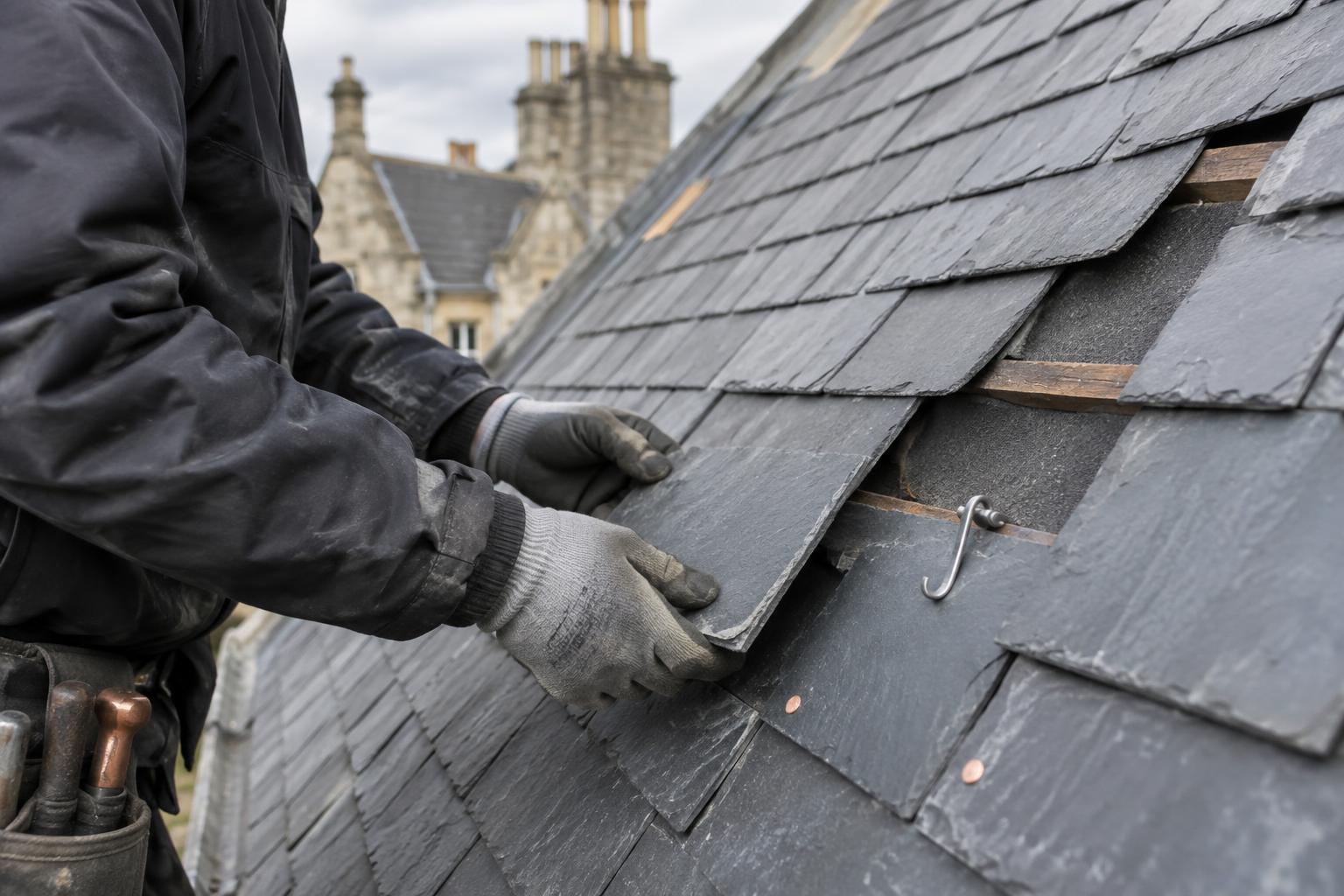
Aluminum, Half-Round, and Copper: Choosing the Right System
Seamless aluminum in a K-style profile is the right call for most Cranberry Township homes — it's formed on site in continuous lengths with no seams to leak, it's available in colors matched to trim, and it holds up well for 20-plus years with normal maintenance. It's also the most budget-friendly option and the one we install most often across Park Place, Whispering Woods and the newer subdivisions in that end of Cranberry Township.
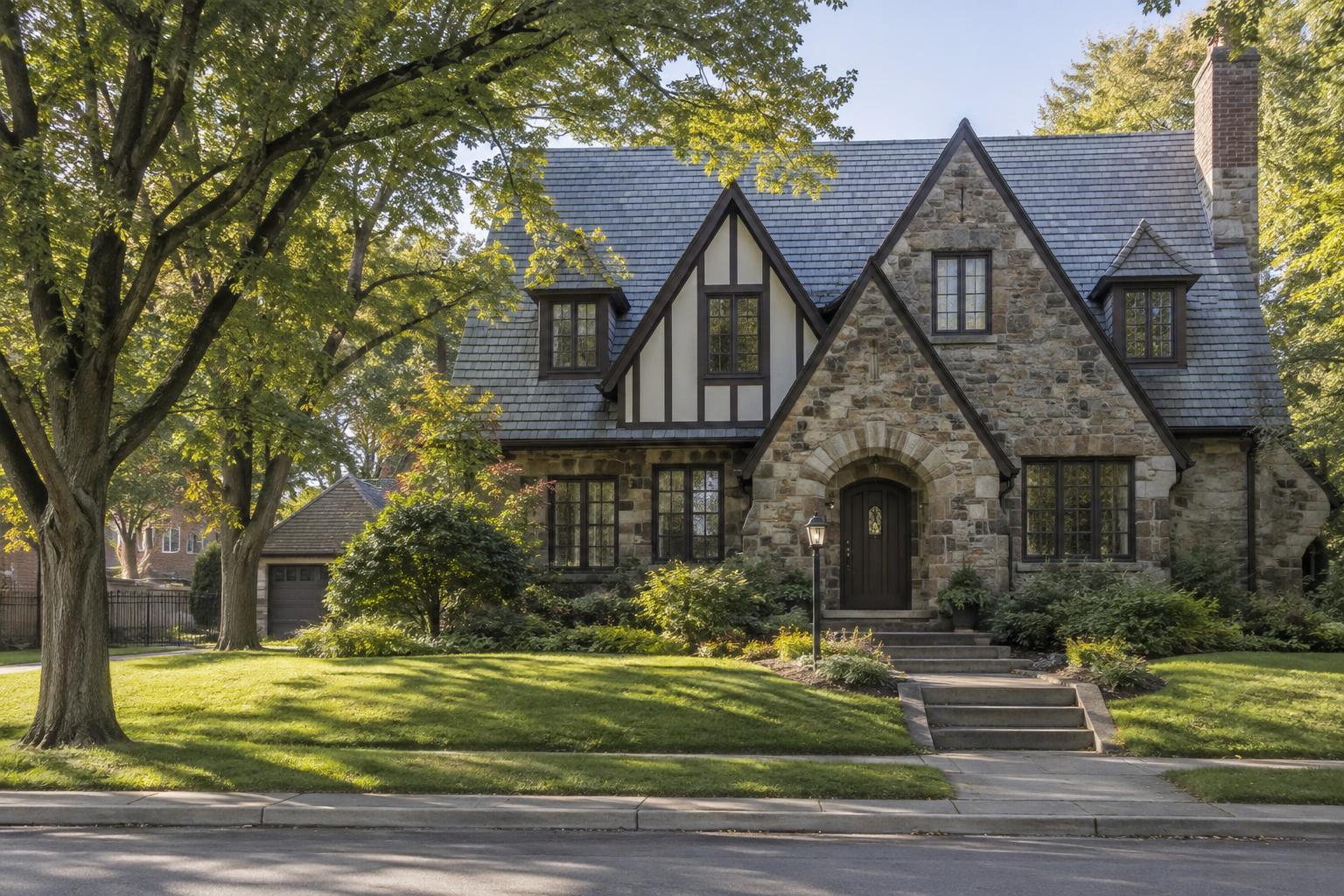
Half-round gutters are the historically correct choice for a lot of the Victorian and Colonial Revival housing stock in the older core of Cranberry Township and Park Place, and they show up on original construction more than people expect. They handle heavy flow well because of their rounded profile, they read correctly on a period home, and they typically pair with round downspouts rather than rectangular ones.
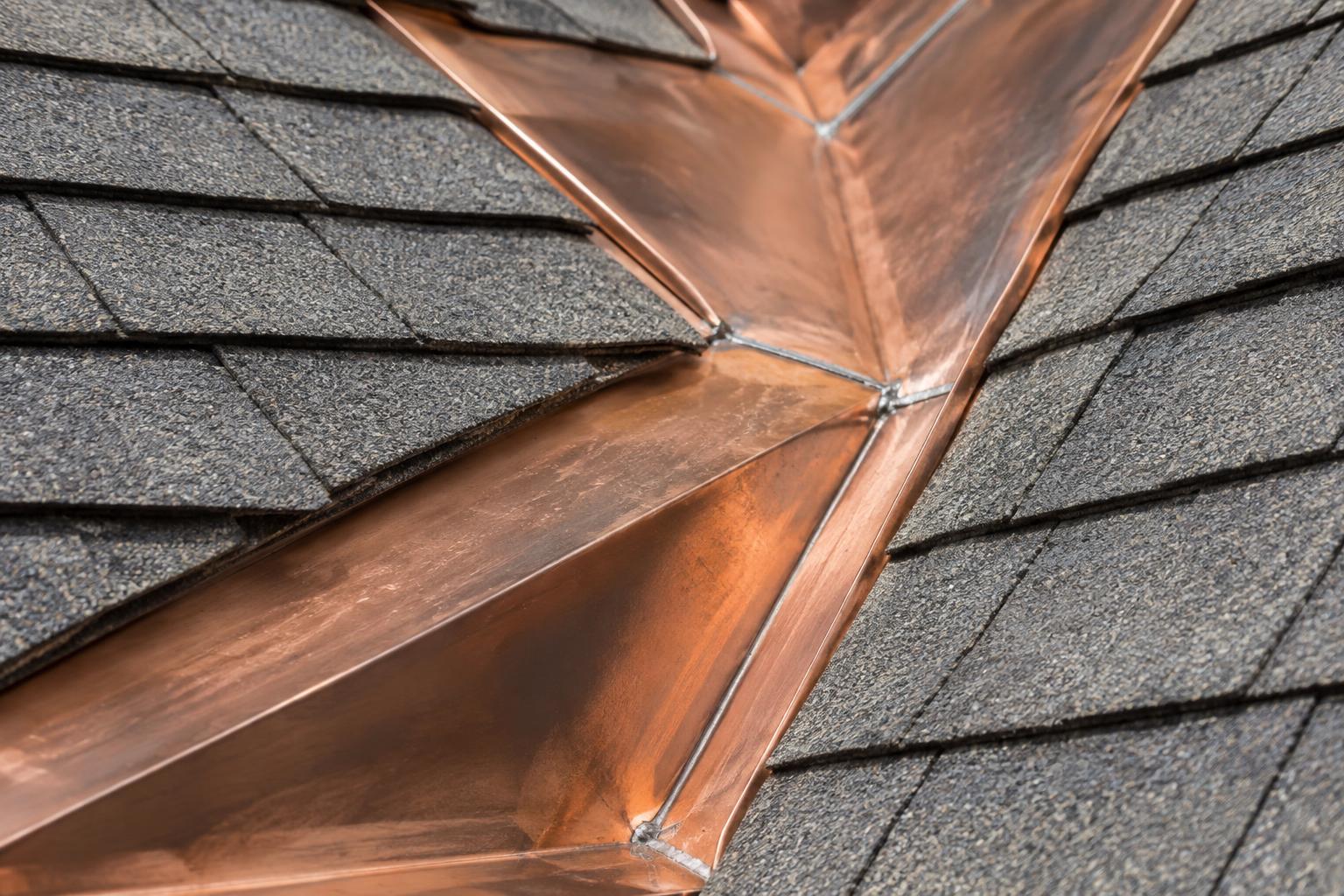
Copper is the premium tier — half-round or K-style, soldered rather than caulked at the joints, and it's what a lot of the grandest homes in Whispering Woods and Park Place were originally built with. It weathers to a natural patina over years, it will genuinely outlast the house's next two roofs, and it's priced accordingly. We install copper gutters to match existing copper flashing and valleys so the whole water-management system on the house is one material, not a mismatch.
What We See on Cranberry Township Roofs
Cranberry Township is not a generic roofing market, and we do not quote it like one. Builder-Grade Replacement: 1990s–2000s plan roofs reaching end of life around the same time — we upgrade the spec. Ice Dam Correction: Butler County snow loads: extended membrane, soffit intake and attic air sealing. Permit Coordination: We confirm township permitting requirements before work starts and help coordinate the process.
Those conditions change how we spec gutters & downspouts here. Fastening patterns, underlayment, flashing metal, ventilation: all of it gets picked for this housing stock instead of copied off a template. A few local landmarks show you why. UPMC Lemieux Sports Complex: A recognizable sports facility at the heart of Cranberry Woods. Graham Park: The township's flagship park, surrounded by plan-home neighborhoods. Cranberry Municipal Center: Township permitting requirements vary by project, and we confirm what's needed before work starts.
Because we run crews through Park Place, Whispering Woods, Fox Run, Ehrman Farms and the surrounding Butler County communities constantly, we already know which streets have plank decking, which plans have chronic valley problems, and which roofs were re-shingled over a failing layer instead of torn off.
Straight talkWe'd rather spend a morning in your attic finding the real leak than sell you a roof you don't need.
How We Do It In Cranberry Township
On-Roof Assessment
We measure roof area feeding each run, note valley concentration points, and check existing pitch, hangers and downspout locations before recommending anything.
Sizing & Material Selection
Gutter profile and downspout count based on the actual water load, plus material — aluminum, half-round or copper — matched to your home and budget.
On-Site Forming
Seamless aluminum is formed in continuous lengths on your property, so runs have no seams to leak. Copper and half-round are fabricated and soldered by hand.
Install & Pitch Check
Hidden hangers set to code spacing, every run pitched and verified with a level, downspouts routed to daylight or a tied-in underground extension.
Guard Selection & Walkthrough
If guards make sense for your canopy, we install the type suited to your debris. Either way you get a maintenance schedule that fits your property.
Materials & Options
Seamless Aluminum, K-Style
Formed on site in continuous runs, available in colors matched to trim. The right default for most Cranberry Township homes and the best value per foot.
Half-Round Gutters
Aluminum or copper, historically accurate for Victorian and Colonial Revival homes in the older core of Cranberry Township and Park Place, with strong flow capacity.
Soldered Copper Gutters
Half-round or K-style, hand-soldered joints rather than caulk. Matches original copper flashing and outlasts the roof twice over.
Hidden Hangers & Fascia Brackets
Set to proper spacing for snow and ice load, replacing failed spike-and-ferrule hangers on older homes wherever we find them.
Debris Guards
Fine-mesh or reverse-curve, chosen by canopy type — not installed as a default, and skipped entirely where a cleaning schedule serves you better.
Underground Downspout Extensions
Tied-in solid PVC routing water well away from foundations on tight lots where surface extensions aren't practical.
What It Costs In Cranberry Township, PA
Real ranges, published up front. Your written quote is exact — these are the bands Cranberry Township work actually lands in.
| Scope | Typical Range | Notes |
|---|
- Total linear footage and how many stories the run is at.
- Material — aluminum, half-round or copper move the per-foot price significantly.
- Number of downspouts and whether any need underground extensions.
- Roof complexity: more valleys and hips mean more concentrated water and sometimes more downspouts.
- Access on narrow village lots off Park Place, where staging ladders and material takes planning.
- Existing fascia condition — rotted fascia has to be repaired before new hangers can be set properly.
Gutters & Downspouts FAQs
What size gutters do I need for a Cranberry Township roof?
It depends on your roof's total area and how concentrated the runoff is at valleys, not just the house's square footage. Standard 5-inch K-style handles most simple roof sections, but a steep, multi-valley Cranberry Township Victorian often needs 6-inch gutters or an extra downspout at Cranberry Township outlets to keep from overflowing in a hard storm.
How much do seamless gutters cost in Cranberry Township, PA?
Material is the biggest factor — seamless aluminum, half-round and soldered copper all price very differently, and the spread also depends on whether your roofline needs upsized sections or extra downspouts to handle valley concentration. We measure the actual roof and give you a written, itemized quote.
Do I need gutter guards with all this tree canopy?
Not always — it depends on what kind of debris your trees drop. Fine-mesh guards work well against small debris like maple seed pods but need periodic surface brushing. On some heavily wooded lots a twice-yearly cleaning schedule actually works better than any guard, because a mismatched guard just moves the clog on top of the gutter instead of solving it.
Why are my gutters overflowing even though they're clean?
Almost always sizing or pitch, not debris. If a gutter is undersized for the roof area feeding it — common at valley outlets on cut-up Cranberry Township rooflines — it overflows at peak flow no matter how clean it is. A gutter hung without proper pitch can also hold standing water that backs up in a storm instead of draining to the downspout.
Should I get half-round or K-style gutters for my historic Cranberry Township home?
Half-round is the historically correct choice for most Victorian and Colonial Revival homes in the older core of Cranberry Township and Park Place, and it handles heavy flow well because of its rounded profile. K-style is more budget-friendly and works fine visually on less formal or newer homes. We'll tell you honestly which fits your specific house.
How often should gutters be cleaned in Cranberry Township?
Twice a year at minimum — once in late fall after leaves drop and once in spring after seed pods and winter debris settle. Homes under heavy hardwood canopy in Whispering Woods, Park Place and Fox Run sometimes need a mid-season check too. We can set up a standing schedule so it's never something you have to remember.
Can you match copper gutters to existing copper flashing?
Yes — we install soldered copper gutters to match the copper already on your valleys, chimney pans or roof flashing so the whole water-management system is one consistent material rather than a mismatch. It's a common upgrade on Whispering Woods and Park Place homes that were originally built with copper throughout.
How much is a roof replacement in Cranberry Township?
It depends on square footage, pitch and roofline complexity. We give a free, written, itemized quote after inspecting the roof in person.
Why does my Cranberry roof keep getting ice dams?
Almost always inadequate soffit intake plus warm air leaking into the attic. Adding more insulation alone won't fix it — we correct the ventilation path and extend the ice-and-water membrane at the eaves.
Do you pull the permit in Cranberry?
Permitting requirements vary by municipality and project. We confirm what's needed and help coordinate it as part of the job.
Where We Do This Work
Gutters & Downspouts across Cranberry Township — every neighborhood in the 16066 ZIP. See everything we do in Cranberry Township, PA.
Related Cranberry Township Services
Get a Free Cranberry Township Inspection
We climb it, photograph it, and hand you a written scope. No pressure, no ballpark guesses.