
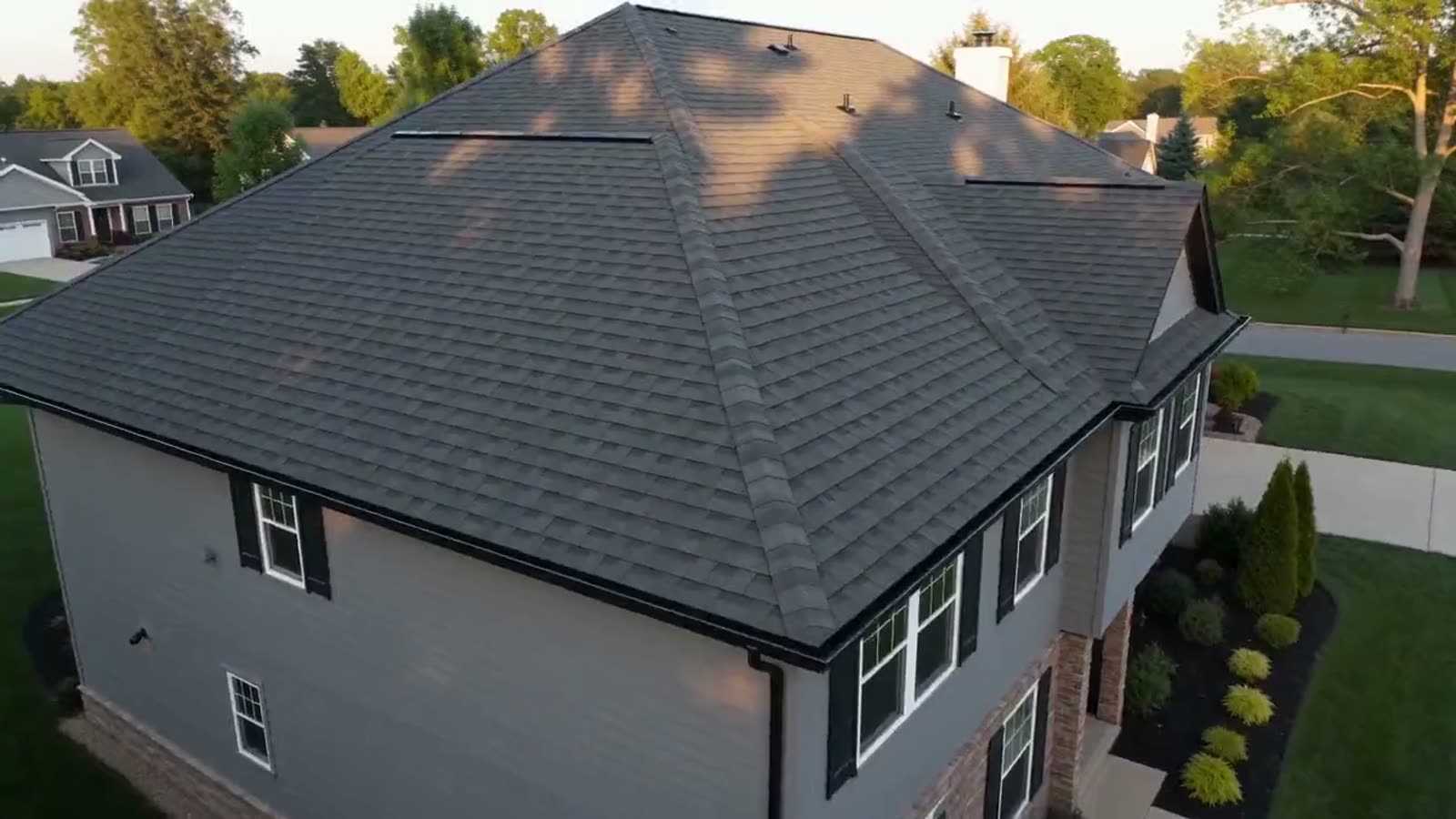
Standing Seam Metal Roofing in Beaver, PA
Standing seam metal shows up on more Beaver rooflines than people expect once they start looking for it — low-slope porch roofs off the back of Victorians on Third Street Historic District, additions tied into steep slate mains in College Hill area, and increasingly, full roofs on homes throughout Third Street Historic District and River Road where owners want something that will genuinely outlast an asphalt tear-off.
Book Your
Roof Check
Free inspection · Written scope · No pressure.
The borough's grid layout, mature street trees and historic-district character mean cleanliness and staging matter here. We keep the dumpster off the brick, protect the porch and landscaping, and leave the property looking like nobody was there — except for the new roof.
It earns that spot for practical reasons specific to this river valley. Concealed-fastener standing seam panels shed snow off shaded north slopes instead of holding it like shingles do, which matters on the heavily wooded lots common in River Road and College Hill area. Up on the ridge in Third Street Historic District, where wind exposure is a real design factor rather than a theoretical one, mechanically seamed panels and upgraded clip spacing hold on when a shingle roof would be shedding tabs.
Big Dog Roofs handles standing seam metal roofing across every Beaver neighborhood — Third Street Historic District, River Road, College Hill area, Beaver Riverfront, Bridgewater border and the rest of 15009 in Beaver County. We also work nearby in Ambridge, Aliquippa, Cranberry Township, so our crews are in this part of the county every week rather than driving in for one job.
What's Included
- Concealed-fastener standing seam panels
- Mechanically seamed ridge & wind detailing
- Low-slope porch & addition roofing
- Full standing seam roof replacement
- Snow retention system installation
- Metal-to-slate & metal-to-shingle transitions
- Copper & painted steel/aluminum options
- Skylight & chimney flashing integration
- Ridge vent & ventilation upgrades
- Panel gauge & finish selection guidance
- Written scope with panel specs
- Photo documentation of seams & flashings
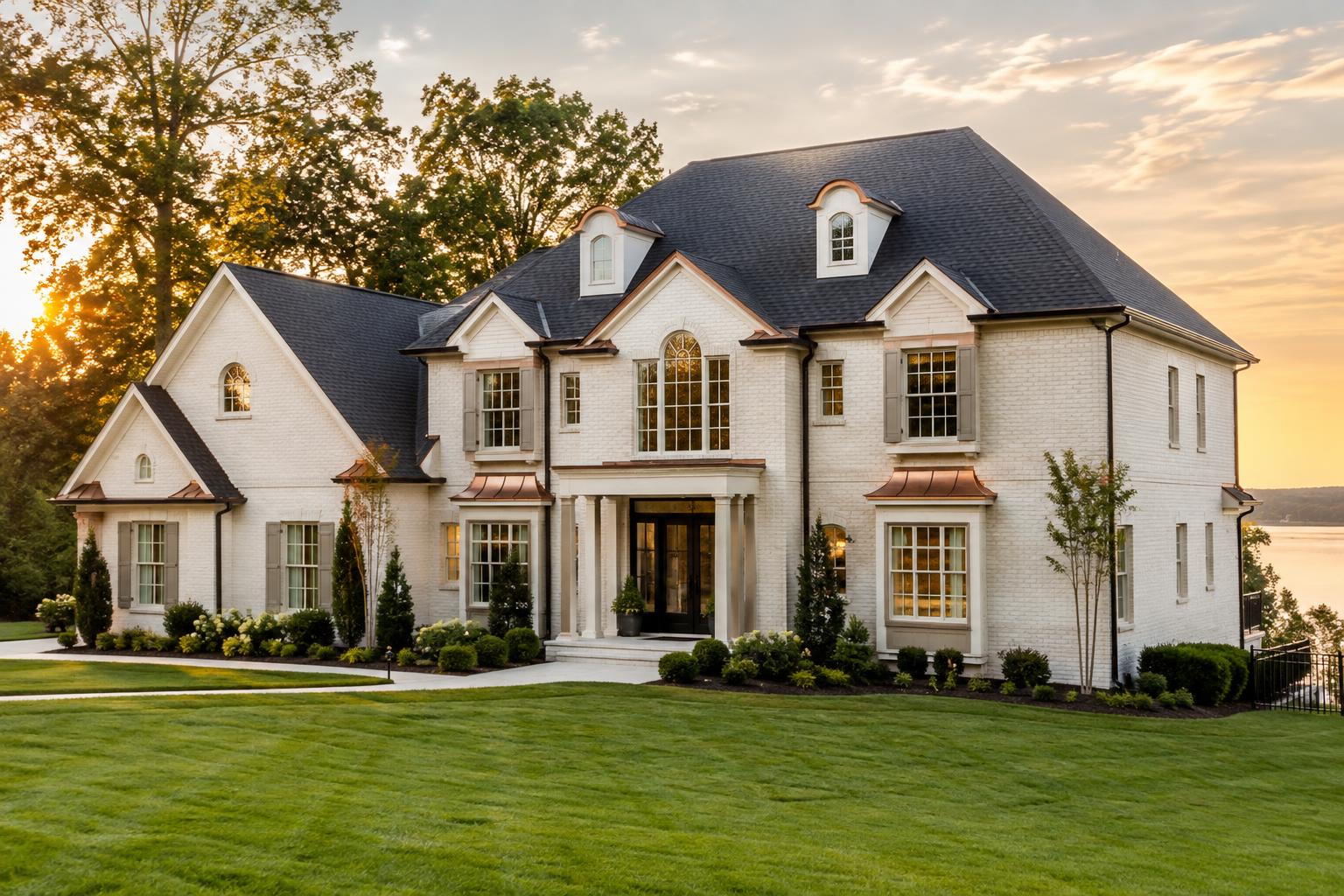
Why Standing Seam Metal Works in This Specific Valley
The Beaver pushes water and ice into places a shingle roof handles poorly: shaded north slopes that hold snow for weeks, low-slope porch roofs that were never meant to shed water quickly, and ridgelines exposed to wind that a sheltered village lot never feels. Standing seam metal answers all three at once because of how the panels are formed and fastened.
The raised, mechanically seamed ribs create a continuous watertight plane with no exposed fasteners for water or ice to work into, which is exactly the failure point that ends most asphalt and even some slate installations here. Snow slides off a smooth metal slope instead of sitting and refreezing at the eave, cutting down the ice-dam cycle that drives so many of our winter repair calls in River Road and Third Street Historic District.
It also performs at pitches asphalt shingle manufacturers won't warranty. A lot of the porch roofs, bay tie-ins and addition roofs on Beaver's older homes sit under 3:12 pitch, and standing seam is the material built for that slope without resorting to a flat membrane that looks wrong on a historic house and ages poorly in the sun.
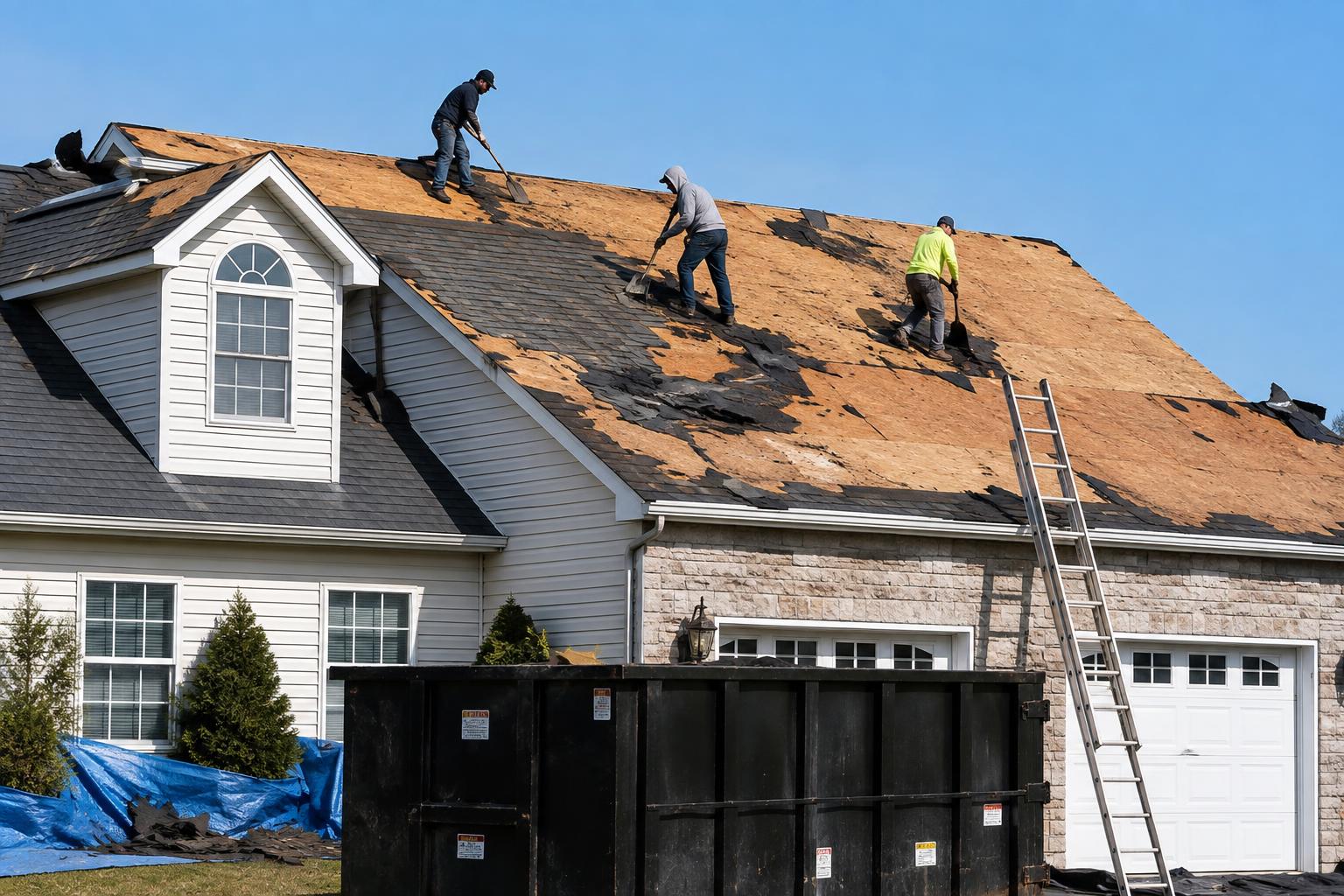
Standing Seam vs. Asphalt: What Actually Changes
Asphalt shingle is still the right call for a lot of straightforward gable roofs in Third Street Historic District and River Road, and we install plenty of it. The honest comparison isn't which one is universally better — it's what each one is actually built to handle.
Standing seam typically runs a higher installed cost per square than architectural asphalt, but it lasts considerably longer, sheds snow and ice more reliably on shaded slopes, and handles low pitches asphalt can't. Asphalt is faster to install, cheaper up front, and perfectly adequate on a simple, well-ventilated, sun-exposed roof that isn't fighting Beaver's worst conditions.
Where we most often recommend metal over asphalt: north-facing slopes under heavy tree canopy, any roof section under roughly 3:12 pitch, porch and addition roofs tying into a steeper slate or shingle main, and full roofs on Third Street Historic District properties where wind uplift is a genuine structural consideration rather than a marketing point.
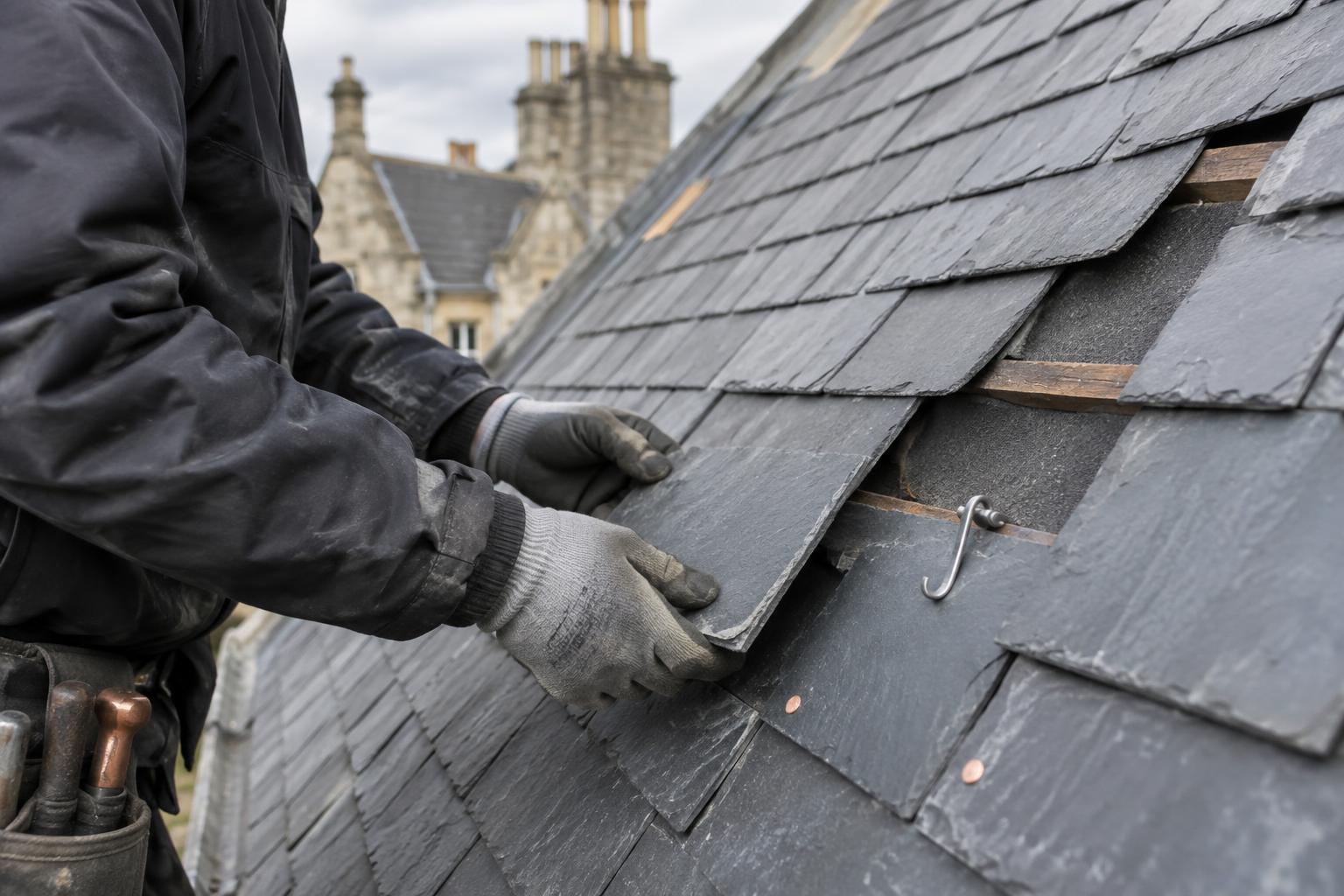
Panel Profiles, Gauge and Finish Options
Concealed-fastener standing seam is our default recommendation for residential work here because the fastener never sits exposed to water, unlike exposed-fastener corrugated panels that loosen and leak at every screw within a decade. We install a range of seam heights and panel widths depending on the roof's slope, length of run and how it needs to read against the rest of the house.
Panel material is typically painted steel or aluminum in a Kynar finish for durability and color retention, though on historic properties in Third Street Historic District and the older core of Beaver we also install copper standing seam where it matches existing copper detailing elsewhere on the house or where a reviewer expects the original material.
Gauge and clip spacing aren't cosmetic decisions — they're the difference between a metal roof that holds through a Third Street Historic District windstorm and one that doesn't. We spec both to the actual exposure of your roof rather than defaulting to the cheapest option that technically qualifies as standing seam.
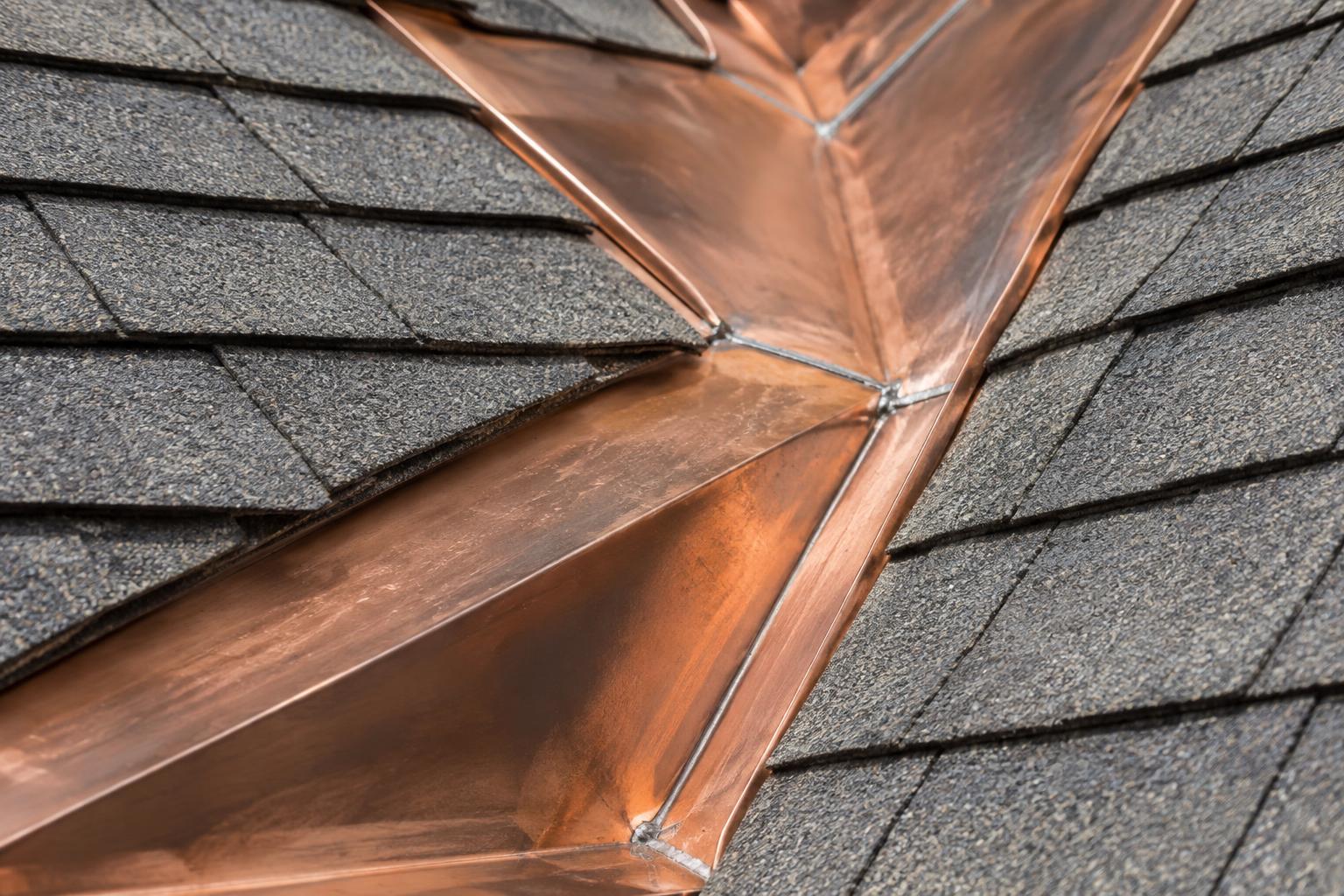
Detailing the Transitions: Where Metal Roofs Actually Fail
A standing seam roof rarely fails in the field of the panel. It fails at the transitions — where metal meets a chimney, a skylight curb, a sidewall, or a different roofing material on the same house. Those are exactly the joints that separate a well-installed metal roof from one that leaks in its first winter.
We solder or mechanically seam metal-to-metal transitions rather than relying on sealant tape, and we detail metal-to-slate and metal-to-shingle tie-ins — common where a porch roof meets a main slate roof on an Third Street Historic District or Beaver home — so water sheds from the higher material onto the lower one with a proper overlap, not a butted seam hidden under caulk.
Snow retention is part of this conversation too. A bare metal roof over a walkway, entry or lower porch roof can shed a dangerous sheet of snow all at once. We install engineered snow guard or fence systems at those transition points, matched to the panel profile, rather than an afterthought bolted on after a complaint.
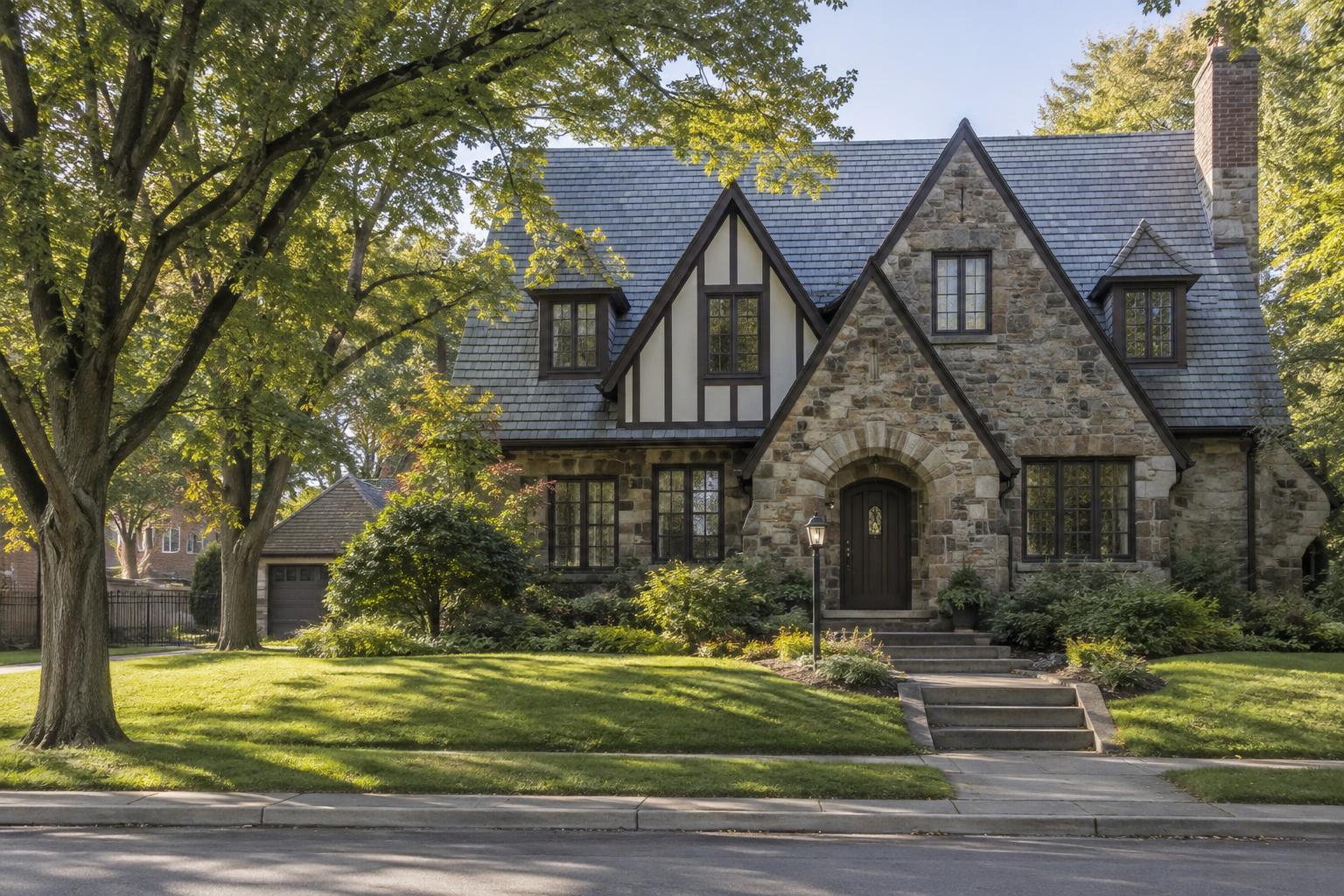
Standing Seam on Third Street Historic District and River Road Homes
Up in Third Street Historic District, wind exposure changes the install. We increase clip spacing and fastener frequency at ridges, rakes and eaves, and we favor mechanically seamed panels over snap-lock profiles on the most exposed slopes, because uplift up there is measurably different from what a sheltered borough lot experiences.
In Third Street Historic District and River Road, where we see more full standing seam replacements on newer custom homes, the driver is usually longevity and low maintenance rather than historic preservation — homeowners who've already replaced one asphalt roof and don't want to do it again in twenty years. We spec panel and finish choices around the home's actual roofline and the owner's timeline, not a one-size answer.
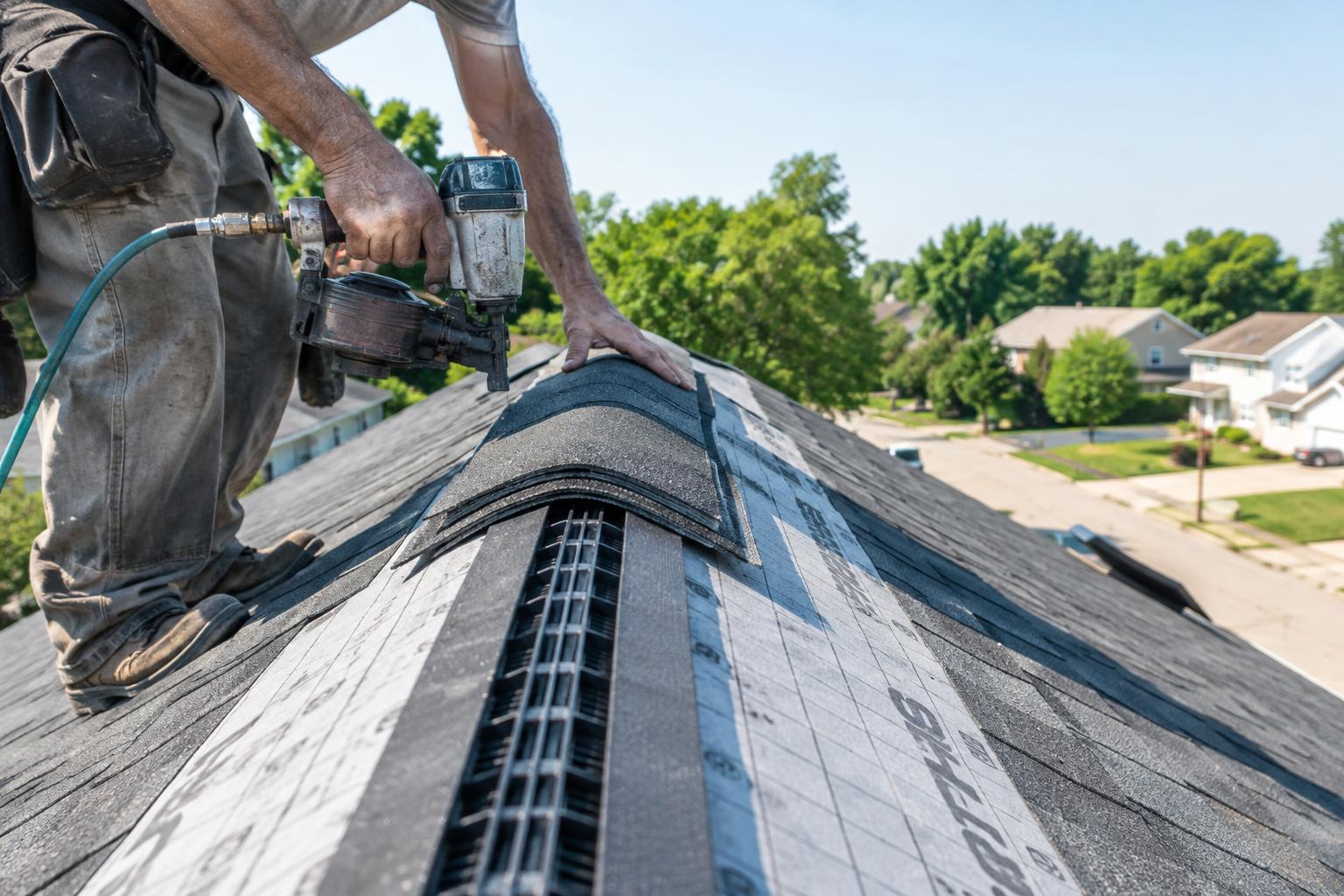
What We See on Beaver Roofs
Beaver is not a generic roofing market, and we do not quote it like one. Slate Restoration: Nail-fatigue and flashing repair considered before recommending slate removal. Copper Fabrication: Hand-formed copper valleys, flashings and bay roofs for historic details. Historic District Care: Profile-correct product, protected porches and thorough daily cleanup.
Those conditions change how we spec standing seam metal roofing here. Fastening patterns, underlayment, flashing metal, ventilation: all of it gets picked for this housing stock instead of copied off a template. A few local landmarks show you why. Beaver County Courthouse: The county seat's civic anchor at the center of the historic district. Third Street: The Victorian main-street corridor at the heart of the historic district. Bridgewater Crossing / Beaver riverfront: River-facing homes with heavier weather exposure.
Because we run crews through Third Street Historic District, River Road, College Hill area, Beaver Riverfront and the surrounding Beaver County communities constantly, we already know which streets have plank decking, which plans have chronic valley problems, and which roofs were re-shingled over a failing layer instead of torn off.
Straight talkWe'd rather spend a morning in your attic finding the real leak than sell you a roof you don't need.
How We Do It In Beaver
On-Roof & Slope Assessment
We measure every roof plane, note pitch, transitions and existing materials, and identify where metal solves a real problem versus where it's optional.
Panel, Gauge & Finish Selection
We walk you through seam profile, panel gauge, clip spacing and finish color, matched to your roof's exposure and the rest of the house.
Written Scope
A written scope specifying panel spec, underlayment, flashing details at every transition and snow retention plan — no verbal estimate.
Deck Prep & Underlayment
Decking repaired where needed, then high-temp synthetic or ice-and-water underlayment installed across the full field, not just the eaves.
Panel Installation & Seaming
Concealed-fastener panels installed and mechanically or snap-lock seamed, with flashings soldered or seamed at every chimney, skylight and transition.
Snow Retention & Final Walkthrough
Snow guards installed where panels overhang walkways or lower roofs, followed by a full site cleanup and photo walkthrough of the finished roof.
Materials & Options
Concealed-Fastener Standing Seam
Our default residential panel — no exposed screws for water to find, mechanically or snap-lock seamed depending on slope and exposure.
Painted Steel Panels
Kynar-finished steel in a range of colors, a durable and cost-effective choice for full roof replacements in Third Street Historic District and River Road.
Aluminum Panels
Corrosion-resistant and lighter weight, a good option for porch and addition roofs tying into an existing structure.
Copper Standing Seam
For historic homes in Third Street Historic District and the older core of Beaver where matching existing copper detailing is the right call.
Snow Retention Systems
Engineered snow guard or fence systems matched to panel profile, placed over entries, walkways and lower roof sections.
High-Temp Synthetic Underlayment
Full-field underlayment rated for metal roof heat buildup, with ice-and-water membrane at eaves, valleys and penetrations.
What It Costs In Beaver, PA
Real ranges, published up front. Your written quote is exact — these are the bands Beaver work actually lands in.
| Scope | Typical Range | Notes |
|---|
- Panel gauge and finish — steel, aluminum or copper move cost significantly.
- Seam type: snap-lock versus mechanically seamed for higher wind exposure.
- Roof complexity — dormers, valleys and multiple transitions on a Third Street Historic District roof cost more than a simple gable.
- How much of the roof is metal versus a metal-to-shingle or metal-to-slate combination.
- Access and staging on narrow village lots versus long private Third Street Historic District drives.
- Snow retention scope, driven by how much of the roof overhangs walkways or lower roofs.
Standing Seam Metal Roofing FAQs
How much does a standing seam metal roof cost in Beaver?
It depends on panel gauge, seam type, panel material and roof complexity — a small porch or addition roof costs a lot less than a full replacement, and copper standing seam runs higher than steel or aluminum. We measure the actual roof planes and give you a written, itemized quote before any work is scheduled.
Is standing seam metal roofing worth it over asphalt shingles?
It depends on the roof. Standing seam costs more up front but lasts considerably longer, sheds snow better on shaded slopes, and handles low pitches asphalt isn't rated for. On a simple, sun-exposed gable roof, architectural asphalt is often the more practical choice. We'll tell you which situation your roof is actually in.
Can standing seam metal be installed on a low-slope porch roof?
Yes, and it's often the best material for that job. Many porch roofs and additions on older Beaver and Third Street Historic District homes sit under the minimum pitch asphalt shingle manufacturers will warranty. Standing seam handles those slopes reliably without resorting to a flat membrane that looks out of place on a historic house.
Does standing seam metal roofing help with ice dams?
It helps significantly. Snow and ice slide off a smooth standing seam panel far more readily than they shed off shingles, which cuts down the meltwater-refreeze cycle that causes ice dams on shaded north slopes common in Third Street Historic District and River Road. It's not a substitute for proper attic ventilation, but it removes one part of the problem.
Do I need snow guards on a metal roof?
Usually, yes, anywhere the roof overhangs a walkway, entry or lower roof section. Bare metal panels can shed an entire winter's accumulated snow at once, which is a real hazard below. We place engineered snow guard systems at those transition points as part of the standing seam installation.
How is standing seam different from the metal roofing I see on barns?
Barn-style exposed-fastener panels are screwed directly through the metal, and every one of those screw holes is a future leak point once the gasket washers dry out. Standing seam uses concealed clips under a mechanically seamed rib, so there are no exposed fasteners anywhere in the field of the roof — a completely different, more durable system.
Can a metal roof tie into my existing slate roof?
Yes, and it's a common combination on Beaver's older homes — a metal porch or addition roof meeting a steeper slate main. The transition needs a properly detailed overlap flashing so water sheds from the slate onto the metal correctly, which is standard detailing work for us but easy to get wrong if it's not planned for up front.
Should I repair or replace my slate roof in Beaver?
If the slate itself is sound and the failures are at nails and flashings, restoration is often the better value and keeps the house right. We'll inspect the roof and give you a straight answer either way.
Do you do copper work in Beaver's historic district?
Yes. We fabricate and install copper valleys, flashings and small bay and porch roofs to match the original detailing.
What does a Victorian roof replacement cost in Beaver?
It varies widely with turrets, dormers and material choice — synthetic slate on a Third Street Victorian costs more than a standard shingle job. We quote every detail in writing before any work starts.
Where We Do This Work
Standing Seam Metal Roofing across Beaver — every neighborhood in the 15009 ZIP. See everything we do in Beaver, PA.
Related Beaver Services
Get a Free Beaver Inspection
We climb it, photograph it, and hand you a written scope. No pressure, no ballpark guesses.