
Roof Replacement in Cranberry Township, PA
There's a point on every roof where repair stops making financial sense — too many layers already down, decking failing in more than one spot, or a roof simply past its rated life and starting to fail in new places every season. When a Cranberry Township roof gets there, replacement is the honest recommendation, and how it's done matters as much as what goes on top.
Book Your
Roof Check
Free inspection · Written scope · No pressure.
We work with Cranberry's HOAs and plan communities and know how to keep a job tidy in a neighborhood where houses sit close together and driveways are shared. Dumpster on plywood, daily cleanup, magnet sweep at the end of every day — not just at the end of the job.
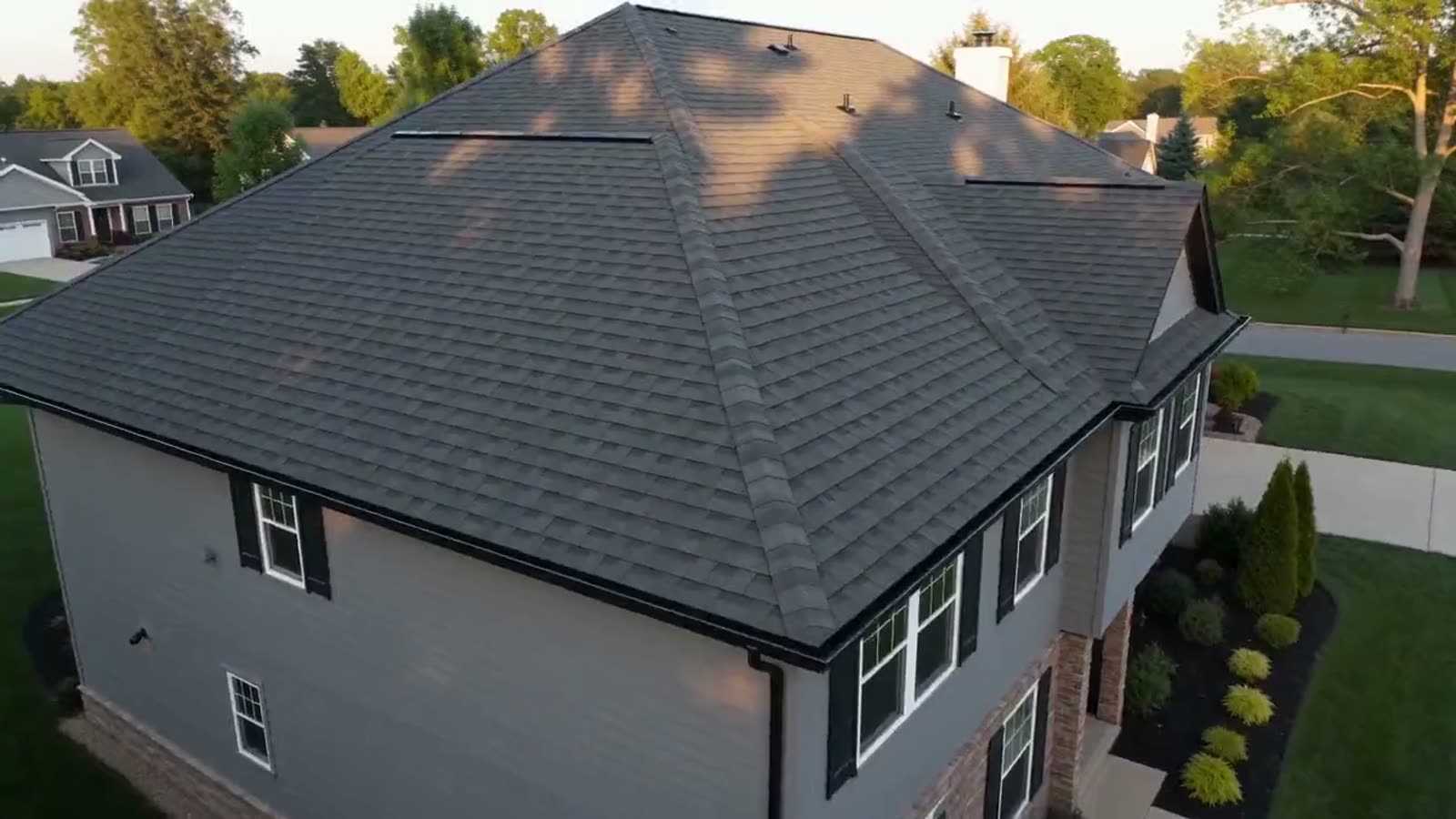
The housing stock in Cranberry Township makes replacement a more involved project than it is in a lot of markets. Homes along Park Place and through the borough are often steep, cut-up and multi-story, with dormers and porch roofs breaking up what would otherwise be simple planes. Newer subdivisions in Whispering Woods and Park Place bring their own complexity with hip roofs and multiple roof intersections. Either way, a replacement quote that doesn't account for your specific roofline is a guess, not an estimate.
Big Dog Roofs handles roof replacement across every Cranberry Township neighborhood — Park Place, Whispering Woods, Fox Run, Ehrman Farms, Heritage Creek and the rest of 16066 and 16046 in Butler County. We also work nearby in Wexford, Franklin Park, McCandless, so our crews are in this part of the county every week rather than driving in for one job.
What's Included
- Full tear-off to the deck, every layer
- Decking inspection & board-by-board repair
- New synthetic underlayment & ice-and-water membrane
- Soffit intake & ridge exhaust ventilation correction
- New flashings at valleys, chimneys & sidewalls
- Architectural asphalt, synthetic slate or standing seam metal
- Gutter replacement coordinated with the roof
- Daily jobsite cleanup & magnet sweep
- Written scope and material specification before work starts
- Permit handling with your municipality
How to Know You Actually Need Replacement, Not Repair
The clearest sign is age combined with widespread wear: an asphalt roof past 18 to 25 years with granule loss across multiple slopes, curling shingles on the sun-exposed side, and more than one active leak location. One leak is usually a repair. Leaks in three different rooms during the same storm is a roof telling you it's done as a system, not in one spot.
The second sign is layers. Pennsylvania code allows a maximum number of roofing layers, and a lot of older Cranberry Township homes are already at or near that limit. If your roof has two layers of asphalt on it already, or an asphalt layer over old wood shake, the next step legally and practically is a full tear-off rather than adding a third layer.
The third is decking. If a contractor opens up your roof and finds rot or soft spots in more than a couple of locations, patch repair stops being cost-effective compared to a full tear-off where the whole deck gets addressed at once. We always tell you what we find on the deck before deciding the scope, rather than assuming the worst or the best.
Why Tear-Off Matters More in This Valley Than Most
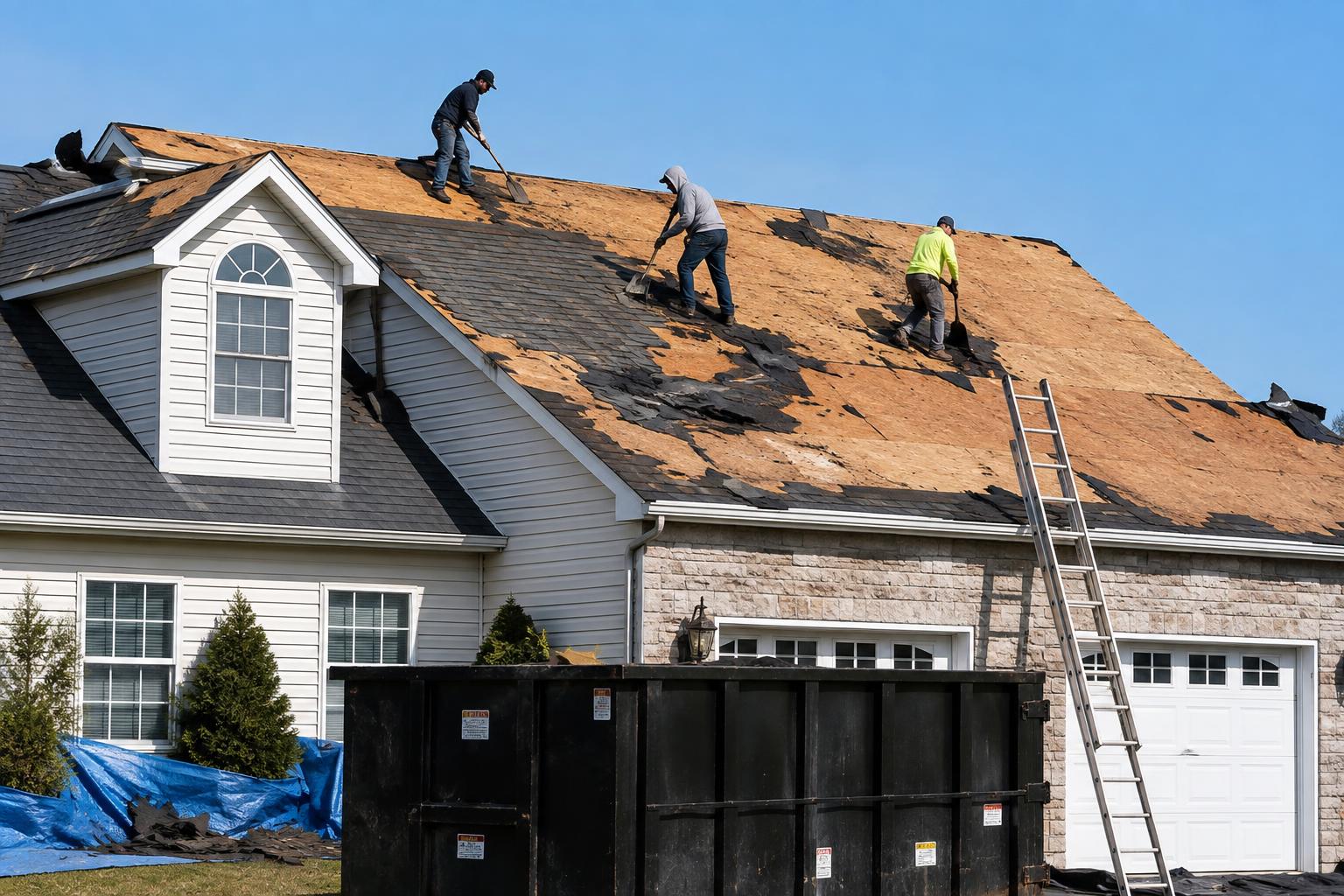
The Cranberry Township's freeze-thaw cycling is hard on anything installed loosely or over old material. Roofing over an existing layer traps moisture that's already gotten underneath it, and that moisture keeps cycling through freeze and thaw whether or not you can see it from the attic. A full tear-off is the only way to actually know what's happening at the deck, and it's the only way to correctly install ice-and-water membrane at the eaves — membrane that has to bond to bare decking to do its job.
Tree canopy compounds this. Much of Cranberry Township, Park Place and Whispering Woods sits under mature hardwoods, and debris packed into valleys under an old roof is invisible until tear-off exposes it. Rotted valley decking hidden under an old layer is a real risk, and a re-roof over that old layer would seal the problem in rather than solve it.
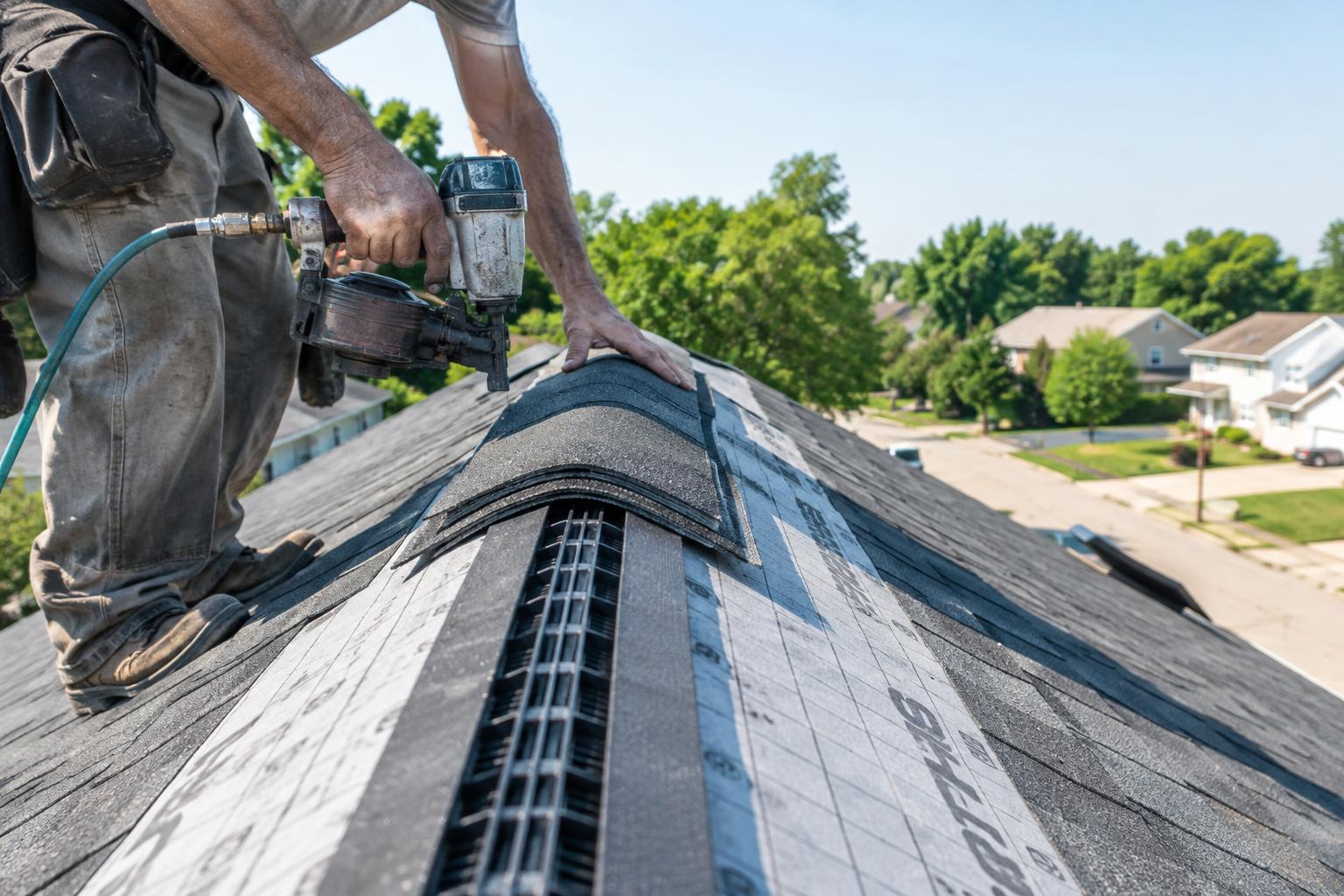
Ventilation gets fixed during tear-off too, not after. A roof with blocked soffit intake or no ridge exhaust will shorten the life of whatever goes on top of it, historic home or new build. Correcting intake and exhaust during replacement is one of the cheapest things we do relative to how much it extends the life of the new roof.
Replacing a Roof on an Older central Cranberry Township Home
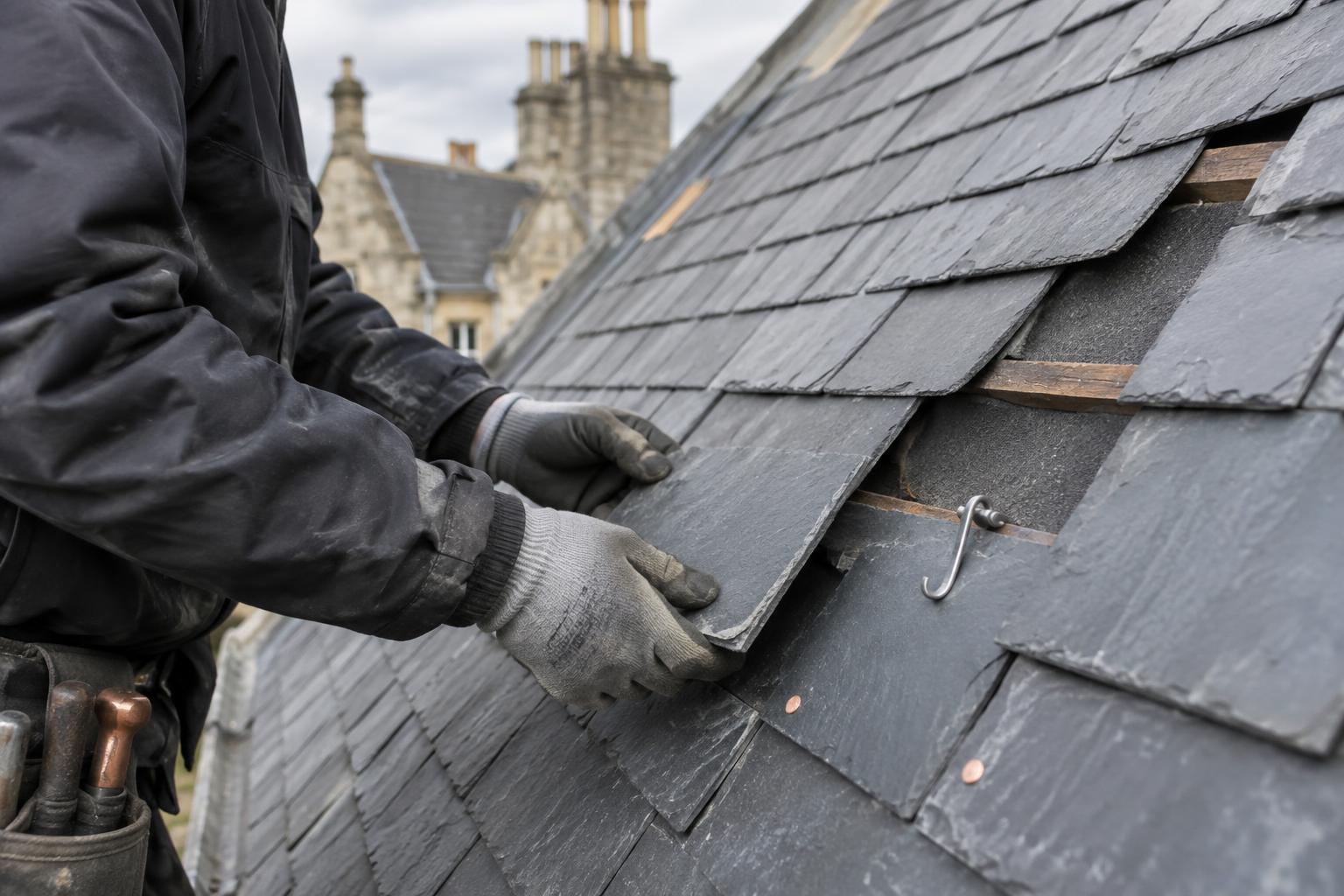
Homes off Park Place and through the borough are dense, narrow-lot, multi-story properties, often with slate somewhere in their history and asphalt now on top. Staging is the first real challenge: dumpster placement, material delivery and safe tear-off debris control all take planning on lots this tight, and we work that out before the crew shows up, not during.
Decking on these homes is frequently original plank rather than modern sheet material, with gaps between boards that need addressing before new underlayment goes down. We assess it honestly — some sections need full replacement, others just need gaps filled and soft spots sistered. Framing on a Four Square or Victorian built before span tables existed also gets a look, since undersized rafters occasionally need reinforcement once the old, heavier roofing comes off.
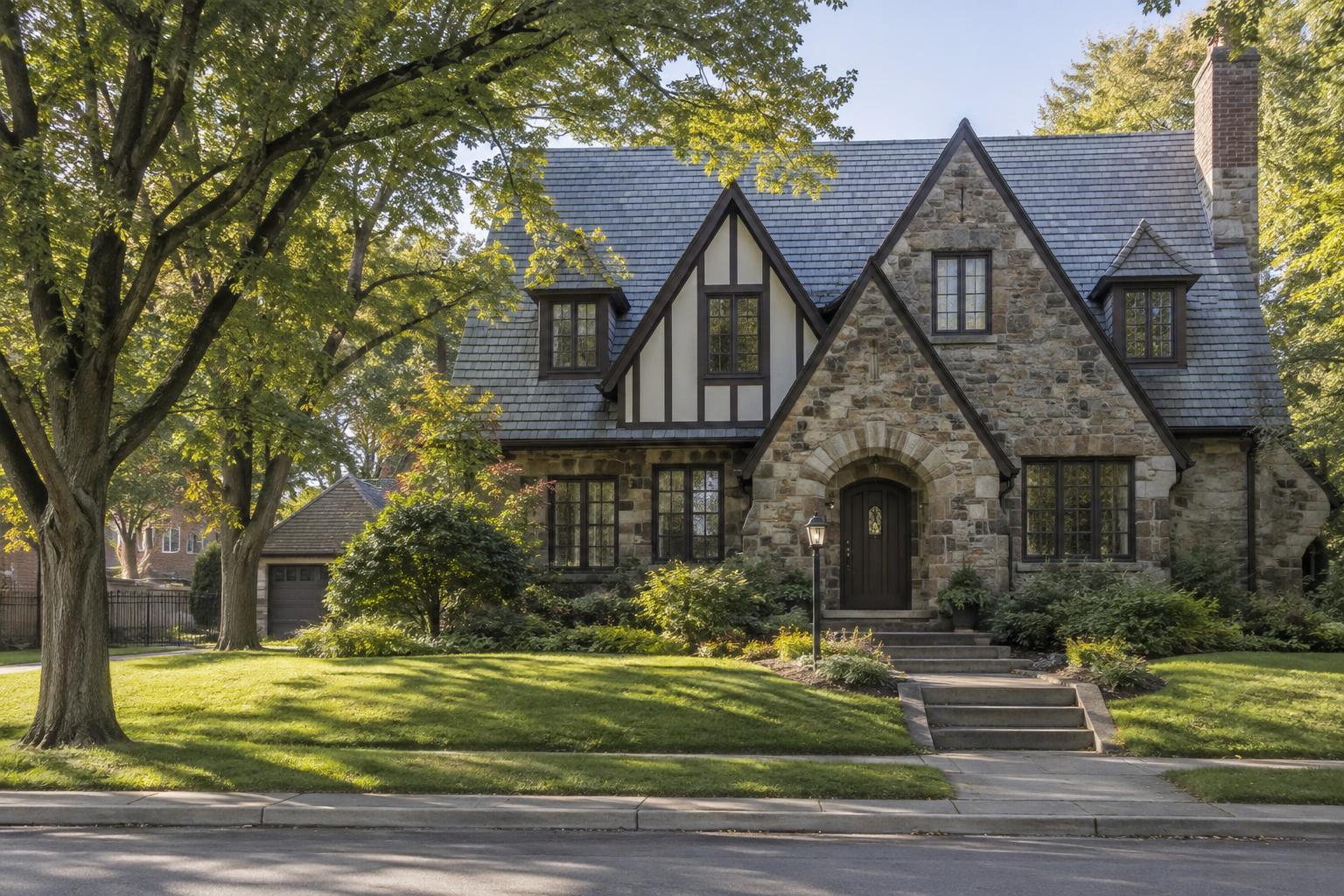
Because the Cranberry Township school district families and long-time owners in these neighborhoods tend to stay put for decades, we also talk through what the roof needs to look like from the street — color, profile, shadow line — since it's a decision you'll be living with for a long time in a visible neighborhood.
Replacing a Roof in Fox Run, Whispering Woods and Park Place
Newer construction in Whispering Woods and Park Place tends toward complex hip rooflines with multiple dormers, which drives replacement cost through cut-up geometry rather than raw square footage. A simple gable roof and a hip roof with four dormers can cover the same footprint and cost dramatically different amounts to replace correctly, because every hip, valley and dormer wall is additional flashing work.
Park Place estates bring genuine wind exposure that the sheltered valley floor doesn't see, which changes fastening specs: increased nailing patterns, starter courses at rakes as well as eaves, and mechanically fastened ridge caps rather than the minimum. On long, complex Heights rooflines we also plan staging around private drives and mature landscaping before quoting, since protecting the grounds is part of the job.
Choosing a Roofing Material for Replacement
Architectural asphalt shingles remain the most common replacement choice in this market and the right call for most homes without a historic material to preserve — durable, reasonably priced, and available in profiles that suit both older and newer Cranberry Township houses. Expect 18 to 25 years of service life given Cranberry Township's freeze-thaw cycling and tree canopy, somewhat less than the manufacturer's rated life.
Standing seam metal is worth considering for homes with lower-slope sections, porch roofs, or owners planning to stay long-term — it sheds snow better on shaded slopes and handles wind on the Heights better than asphalt. Synthetic slate gives a slate profile at roughly half the weight and a fraction of the cost of natural stone, a reasonable option on a historic-style home where the original slate is already gone.
Whatever material you choose, gutters are worth replacing at the same time if yours are original to an old roof — matching capacity to the new roof's shed rate and correcting downspout placement prevents foundation problems that outlast the roofing decision.
What We See on Cranberry Township Roofs
Cranberry Township is not a generic roofing market, and we do not quote it like one. Builder-Grade Replacement: 1990s–2000s plan roofs reaching end of life around the same time — we upgrade the spec. Ice Dam Correction: Butler County snow loads: extended membrane, soffit intake and attic air sealing. Permit Coordination: We confirm township permitting requirements before work starts and help coordinate the process.
Those conditions change how we spec roof replacement here. Fastening patterns, underlayment, flashing metal, ventilation: all of it gets picked for this housing stock instead of copied off a template. A few local landmarks show you why. UPMC Lemieux Sports Complex: A recognizable sports facility at the heart of Cranberry Woods. Graham Park: The township's flagship park, surrounded by plan-home neighborhoods. Cranberry Municipal Center: Township permitting requirements vary by project, and we confirm what's needed before work starts.
Because we run crews through Park Place, Whispering Woods, Fox Run, Ehrman Farms and the surrounding Butler County communities constantly, we already know which streets have plank decking, which plans have chronic valley problems, and which roofs were re-shingled over a failing layer instead of torn off.
Straight talkWe'd rather spend a morning in your attic finding the real leak than sell you a roof you don't need.
How We Do It In Cranberry Township
On-Roof Assessment & Measurement
We inspect the current roof, measure every plane, valley and penetration, and check the attic for ventilation and moisture issues before quoting anything.
Written Scope & Material Selection
You get a written proposal specifying tear-off scope, underlayment, ventilation corrections, flashing materials and shingle or panel choice — not a one-line estimate.
Permit & Material Staging
We confirm permit requirements with your municipality, pull what's needed, and plan dumpster and material staging around your lot before the crew arrives.
Full Tear-Off to the Deck
Every layer comes off. We inspect the exposed decking board by board and repair or replace anything rotted or soft before anything new goes down.
Underlayment, Ventilation & Flashing
New synthetic underlayment, ice-and-water membrane at eaves and valleys, corrected soffit intake and ridge exhaust, and new flashing at every penetration.
New Roofing, Cleanup & Walkthrough
New shingles, panels or slate installed to spec, full magnet sweep and debris cleanup, and a final walkthrough with photos of the finished roof.
Materials & Options
Architectural Asphalt Shingles
The most common replacement choice in this market — durable, cost-effective, and available in profiles suited to both historic and newer Cranberry Township homes.
Standing Seam Metal
Concealed-fastener panels for low-slope sections, porches and full roofs that need to shed snow and stand up to wind on exposed sites.
Synthetic Slate
A slate profile at roughly half the weight and a fraction of the cost of natural stone, useful where the original slate is already gone.
Ice & Water Membrane
Installed at eaves, valleys and penetrations during tear-off, when it can properly bond to bare decking — Cranberry Township's freeze-thaw makes it worth doing right.
Copper Flashing
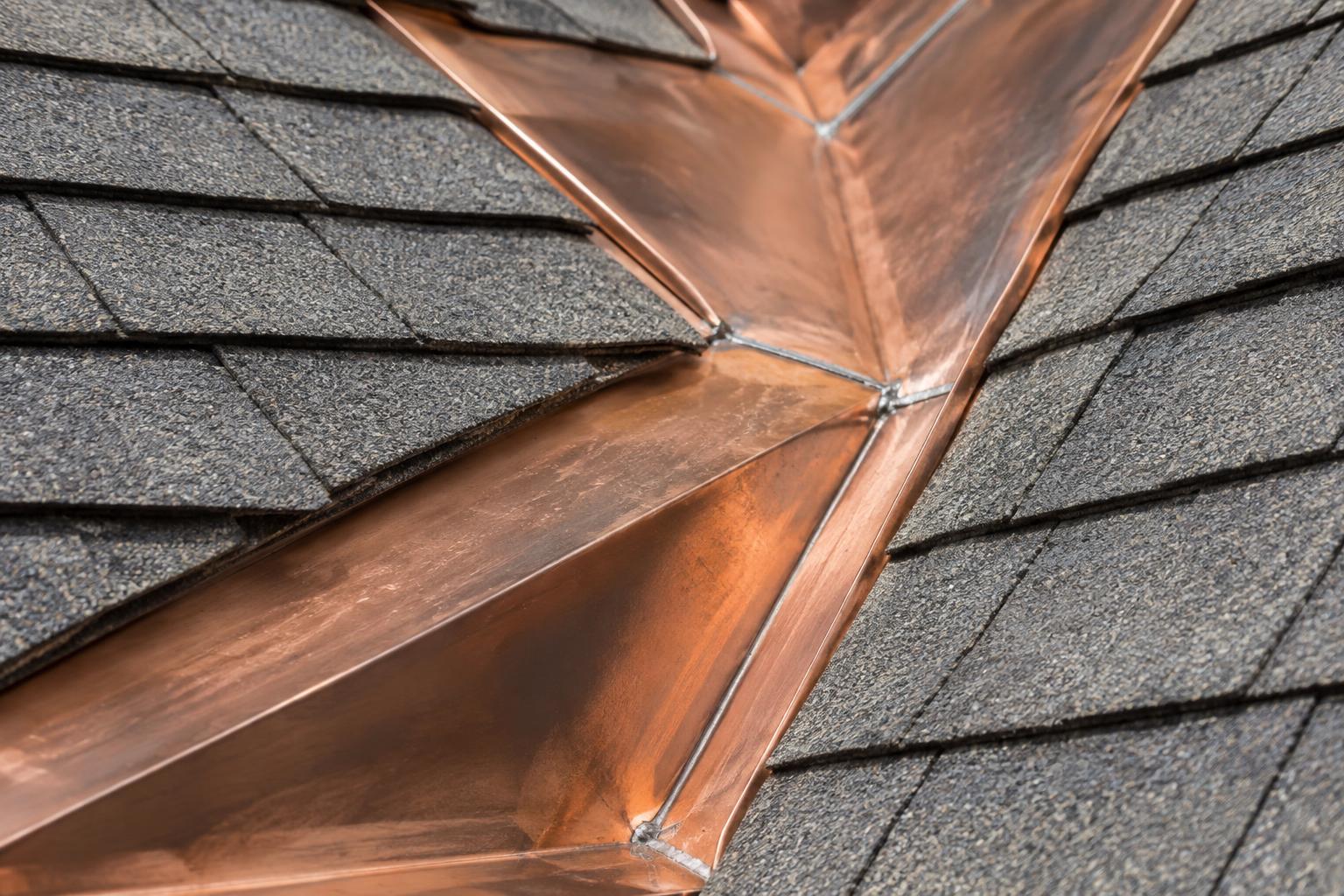
Valleys, chimney pans and step flashing on homes where copper is appropriate to the house and the budget, soldered rather than sealed.
Seamless Gutters
Sized for canopy debris and valley runoff, installed alongside the new roof so capacity and downspout placement match the current roofline.
What It Costs In Cranberry Township, PA
Real ranges, published up front. Your written quote is exact — these are the bands Cranberry Township work actually lands in.
| Scope | Typical Range | Notes |
|---|
- Roofline complexity — dormers, hips and valleys add cost far faster than square footage does.
- Decking condition, since rotted plank or sheet decking needs repair before new roofing goes down.
- Material choice, from asphalt through synthetic slate to standing seam metal.
- Access and staging on narrow village lots versus long Park Place drives.
- Number of existing layers coming off, and what's found underneath them.
- Ventilation corrections needed to make the new roof last its full service life.
- Whether gutters are replaced at the same time as the roof.
Roof Replacement FAQs
How do I know if I need a roof replacement instead of a repair?
Widespread wear across multiple slopes, more than one active leak, or a roof already at the legal layer limit are the clearest signs. A single leak is usually a repair; granule loss, curling shingles and multiple leak locations at once mean the roof is failing as a system. We'll tell you honestly which situation you're in during an on-roof assessment.
How much does a roof replacement cost in Cranberry Township, PA?
It depends mainly on pitch, roofline complexity, decking condition, and material — asphalt, standing seam metal, and synthetic or natural slate all price very differently, and metal and slate last considerably longer than asphalt. We climb the roof, measure it, and give you a written, itemized quote rather than a ballpark over the phone.
How long does a roof replacement take?
One to two days for a straightforward asphalt tear-off, three to five for a large or steep Cranberry Township home with multiple porch roofs and dormers. Weather and any hidden decking damage found during tear-off are the two things most likely to extend a schedule beyond the initial estimate.
Will you replace bad decking during a roof replacement?
Yes, and we assess it board by board rather than assuming the worst or ignoring it. Any rotted or soft decking gets replaced before new underlayment goes down, and we show you what we found with photos so the added cost, if any, is never a surprise.
Do I need a permit for roof replacement in Cranberry Township?
Assume yes, and let us handle it. Municipalities in the Cranberry Township area generally require a permit for full roof replacement, and requirements differ between Cranberry Township, Whispering Woods, Park Place and the surrounding townships. We confirm current requirements with your municipality before work starts.
What roofing material lasts longest in Cranberry Township's climate?
Natural slate lasts 75 to 150 years, standing seam metal 40 to 70 years, and architectural asphalt typically 18 to 25 years here given Cranberry Township's freeze-thaw cycling and tree canopy. The right choice depends on your budget, the style of your home, and how long you plan to own it.
Do you offer financing for a roof replacement?
Not at this time. We provide a clear written scope and quote so you can compare it honestly against other estimates, and we're upfront about what needs to happen now versus what can reasonably wait. If a targeted repair can buy you a season before full replacement, we'll say so.
How much is a roof replacement in Cranberry Township?
It depends on square footage, pitch and roofline complexity. We give a free, written, itemized quote after inspecting the roof in person.
Why does my Cranberry roof keep getting ice dams?
Almost always inadequate soffit intake plus warm air leaking into the attic. Adding more insulation alone won't fix it — we correct the ventilation path and extend the ice-and-water membrane at the eaves.
Do you pull the permit in Cranberry?
Permitting requirements vary by municipality and project. We confirm what's needed and help coordinate it as part of the job.
Where We Do This Work
Roof Replacement across Cranberry Township — every neighborhood in the 16066 ZIP. See everything we do in Cranberry Township, PA.
Related Cranberry Township Services
Get a Free Cranberry Township Inspection
We climb it, photograph it, and hand you a written scope. No pressure, no ballpark guesses.